ALOFT in Southeast Asia
In 2023, UTIA was awarded a five-year grant through the John Ogonowski and Doug Bereuter Farmer-to-Farmer (F2F) Program. Led by the Smith Center for International Sustainable Agriculture, ALOFT focused on integrating youth into food systems in Cambodia, Thailand, and the Philippines through short-term technical exchanges. The program matched US-based experts with Southeast Asian agricultural institutions to support four key pillars: climate-smart agriculture, agribusiness and entrepreneurship, agricultural education, and Extension services.
“We were honored to have the opportunity to continue to expand on the forty-year legacy of service of Farmer-to-Farmer with this regional program in Southeast Asia. The population of this region is predominantly young and depends on agriculture for their livelihoods,” Tom Gill, director of the Smith Center, says about the impact of ALOFT. “We were proud of our work to match the expertise of US volunteers with organizations in these countries to train and equip youth with the knowledge and skills to be successful entrepreneurs in agricultural systems.” The ALOFT program ended in February 2025 with the sunsetting of all global agriculture programs funded through the United States Agency for International Development. You can learn more about the ALOFT program and the impact it had on the US based volunteers through our highlight series below.
Building Bridges in Cambodia
One of the early ALOFT volunteers, Kristen Johnson, an associate professor and Extension nutrition specialist, traveled to Cambodia in May 2022 with a team of 4-H professionals. “It was a valuable learning experience for all of us,” Johnson says. Her work focused on integrating hands-on nutrition and agriculture education with local teachers and university students—combining art, local produce, and nutrition lessons for young learners.
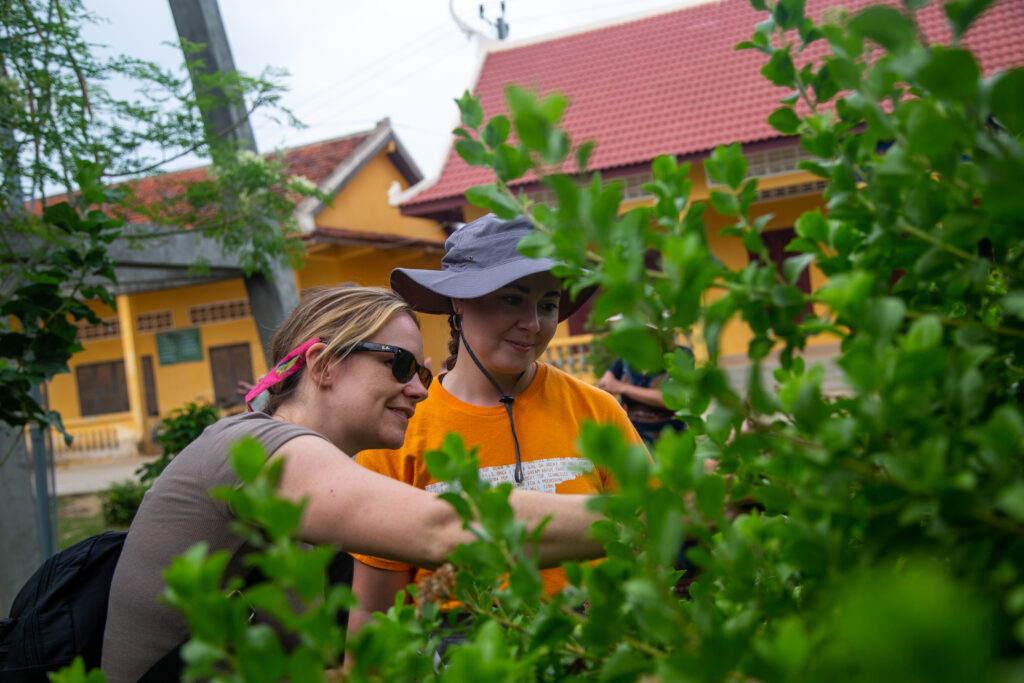
She returned to Cambodia as an F2F volunteer two more times. For Johnson, the opportunity not only broadened her global understanding but also deepened her impact at home. “Experiencing how others approach agriculture and nutrition helps us become more effective in our own communities,” she reflects. Her hope is to continue this work globally, while further enhancing her ability to serve diverse populations in Tennessee.
A Legacy of Global Engagement
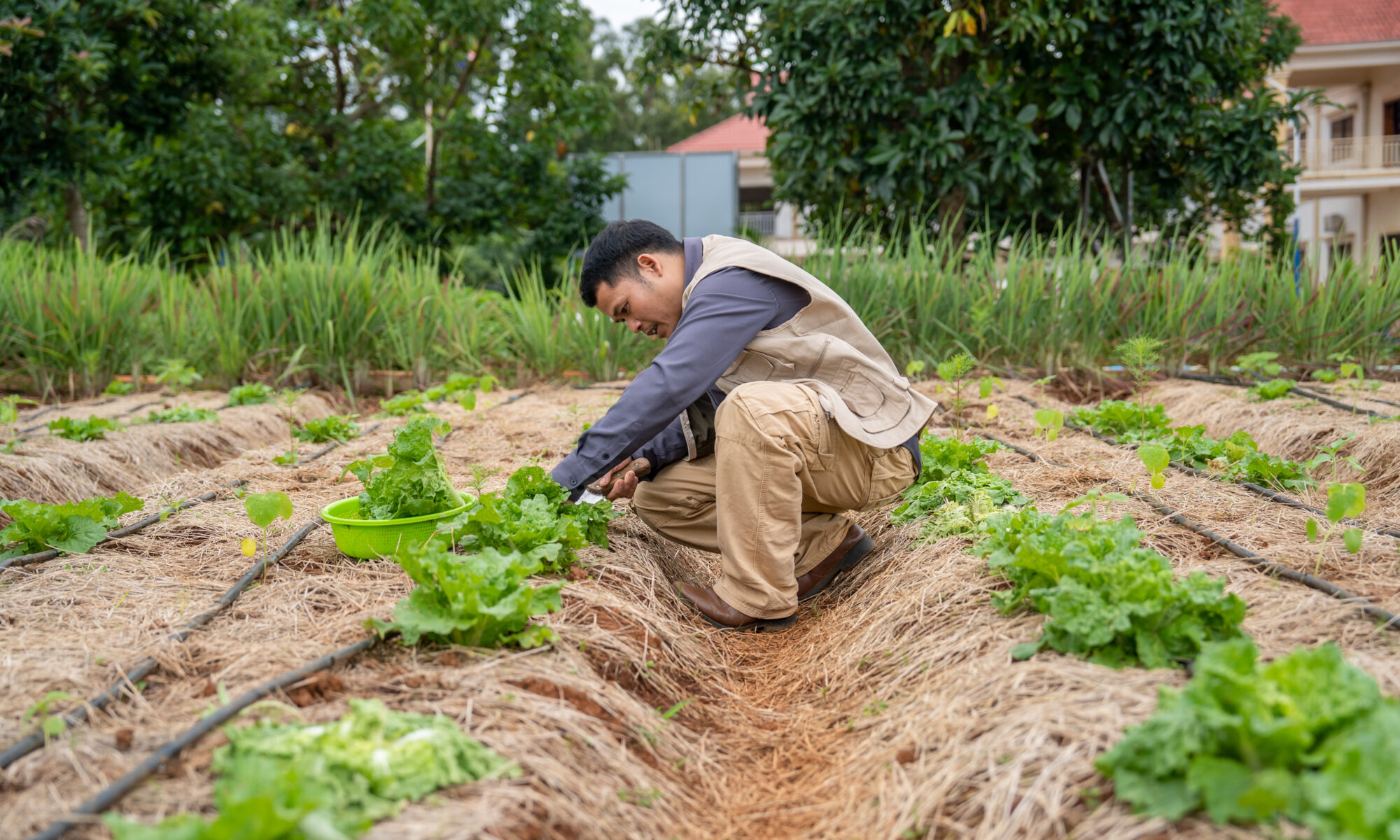
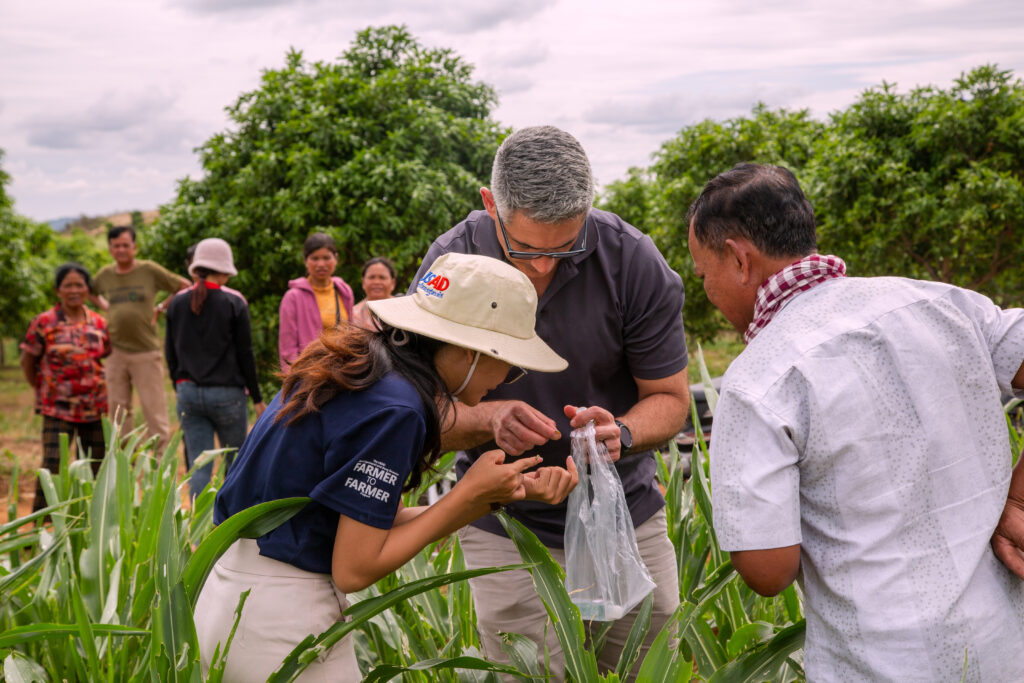
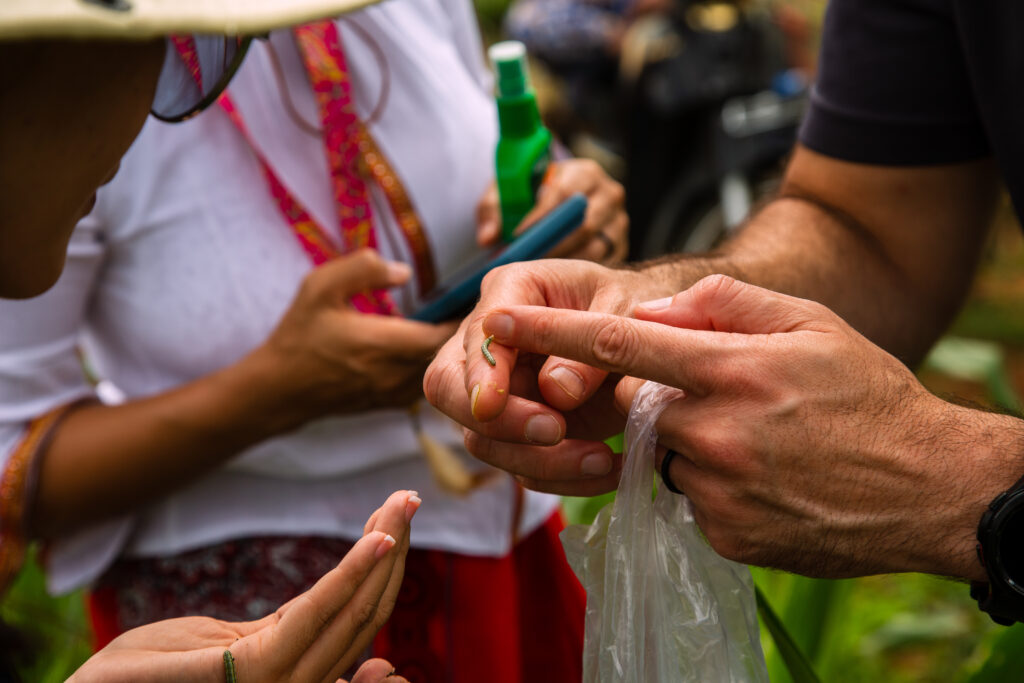
Carl Bannon, a seasoned Extension expert, brought decades of public and private sector experience to F2F. Inspired by his grandfather, a UT professor who led agricultural projects in India during the Green Revolution, Bannon contributed to F2F initiatives in nine countries. In Cambodia, he helped train local Extension workers and students on soil health, irrigation, and integrated pest management at the Center of Excellence on Sustainable Agricultural Intensification and Nutrition’s facilities.
Reflecting on his experience, Bannon emphasized the mutual benefit of global collaboration. “It’s humbling to work alongside farmers with fewer resources. But we also learn from them—how to do more with less,” he says. He noted the private sector as essential partners in these initiatives, particularly in delivering practical, farm-ready innovations to under served communities.
Homecoming with Purpose
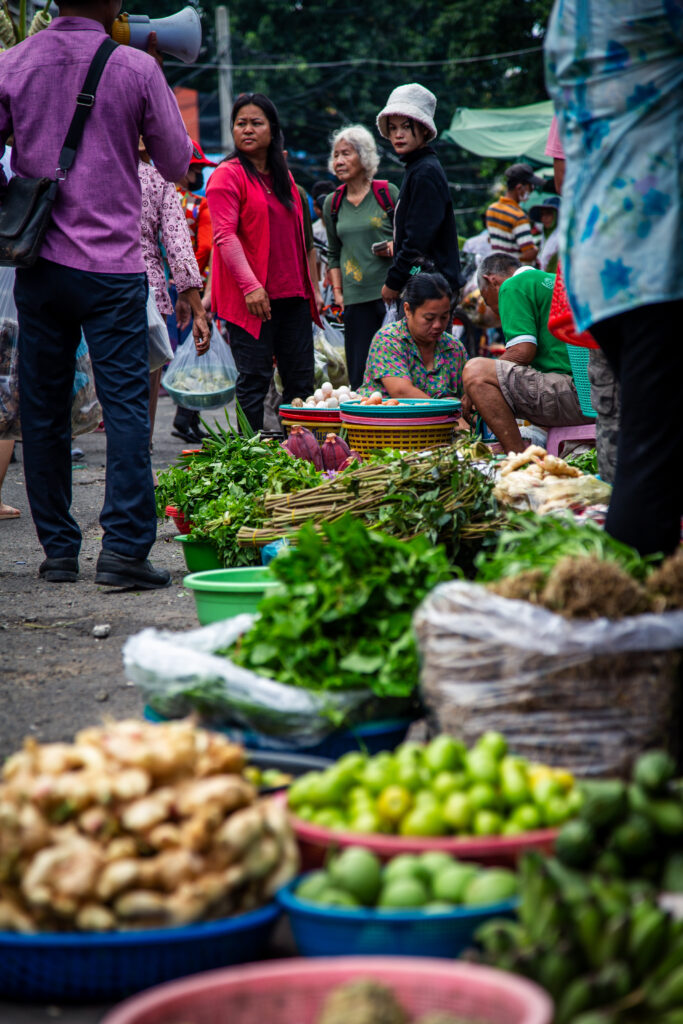
For Manny Palada, returning to the Philippines as the first ALOFT volunteer was personal. A native of Negros Occidental and a retired tropical agriculture expert, Palada led early program efforts with Central Philippine State University. He helped launch partnerships, assess value chains, and identify priority challenges—chief among them, climate stress. “It’s rewarding to give back to my home country using what I’ve learned from decades of global work,” he said.
Palada’s work laid the foundation for climate-smart agriculture programming—vital in a country already seeing the effects of erratic rainfall, rising sea levels, and extreme weather. His leadership grew into a formal role as ALOFT Philippines country director, where he continued his mission to empower local farmers.
Hands-On Learning, Transformative Impact
In 2024, two more volunteers—Kim Butz and Billy Mitchell—joined ALOFT Cambodia for a two-week training with the Center of Excellence on Sustainable Agricultural Intensification and Nutrition in Mondulkiri Province. Butz, a produce safety coordinator, led workshops on post-harvest practices using accessible, low-cost technologies to extend shelf life and improve product quality. “The smallest adjustments made a big difference,” she said. “It was energizing to see how engaged and excited the participants were.”
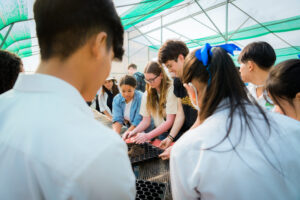
Meanwhile, Mitchell, a University of Georgia doctoral student, introduced participants to vermicomposting. With a hands-on, build-it-yourself approach, Mitchell and his students constructed composting bins, learned worm care, and returned days later to discover thriving worm cocoons. “I will never forget when the interns found the first cocoons in the worm bins they had built; one of the best moments I have had as an educator,” he recalls.
Both volunteers noted the enthusiasm of Cambodian learners and the mutual exchange of knowledge that occurred. Their work, like that of many F2F volunteers, was compiled into site-specific manuals to ensure continued learning and adoption by local trainers and farmers.
Looking Forward
From rural villages in Cambodia to agricultural universities in the Philippines, the ALOFT program worked to strengthen food systems by empowering the next generation of agricultural leaders. The stories of volunteers like Johnson, Bannon, Palada, Butz, and Mitchell reflect the broader mission of the Farmer-to-Farmer program: creating sustainable, people-centered growth through global collaboration and shared expertise.
“At UTIA, our faculty and staff are experts in their fields. They are world-class researchers, passionate about teaching the next generation of agriculture professionals, and excellent at reaching the public through Extension,” says Keith Carver, UTIA senior vice chancellor and senior vice president. “Through the ALOFT project, the Smith Center was able to extend that knowledge and experience globally to address the issues facing the agriculture industry around the world. We look forward to seeing how our faculty, staff, and students continue this work in the future.”
MORE FROM THIS ISSUE