The Smith Global Leadership Fellows Program as a Model for Faculty Engagement
The launch of the Smith Global Leadership Fellows (SGL) program marked a pivotal advancement in the institution’s global engagement strategy. Developed to strengthen international research, teaching, and outreach capacity among faculty, the program has established a replicable framework for fostering long-term, cross-disciplinary collaboration on a global scale.
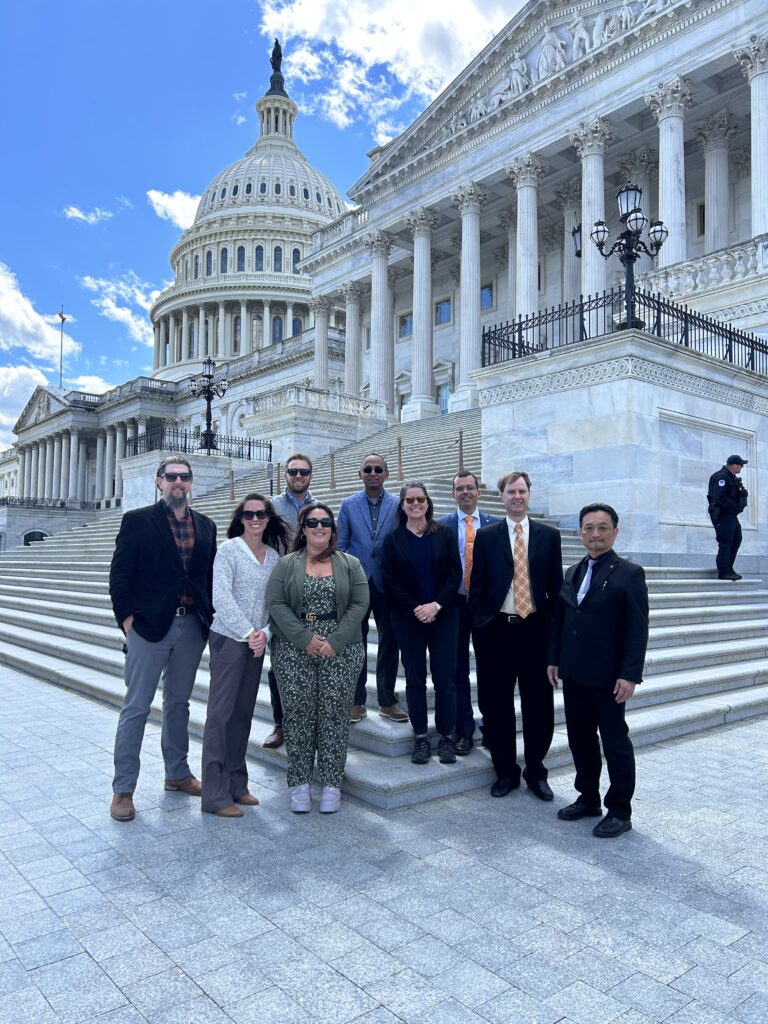
Spanning three and a half years and designed as a sixteen- month professional development experience, the SGL program has equipped three cohorts of UTIA faculty with the tools, networks, and perspective necessary to engage with global partners and address complex international challenges in agriculture, natural resources, and veterinary medicine. Through structured training, the implementation of global initiatives, and strategic visits to Washington, D.C., fellows have gained direct insight into international policy, partnership development, and cross-cultural collaboration.
One of the most significant contributions of the SGL program lies in the durable global networks it has enabled. Aaron Smith, professor in agricultural and resource economics, completed the program in 2023 with a focus on Argentina. There, he established an outreach exchange initiative analyzing the impacts of global markets and agricultural policy on key commodities. Smith emphasized that his participation not only broadened his research perspective but also created lasting collaborations with international colleagues. “Many of the challenges agriculture faces are global in nature,” he says. “This program gave us the space and support to step into those conversations meaningfully.”
The program, funded by UT Knoxville alumni Donnie (BS animal science ’80) and Terry Smith (B.S. elementary education ’80), reflects their commitment to expanding the university’s global footprint. By empowering faculty to engage across borders and disciplines, the SGL program has laid the groundwork for a more globally integrated UTIA, one that continues to drive innovation and impact in Tennessee and beyond.
The program’s interdisciplinary approach also has played a key role in its success. Participants have brought expertise from fields including entomology, plant pathology, family and consumer sciences, soil science, wildlife health, and more. Denita Hadziabdic Guerry, associate professor in entomology and plant pathology, saw the program as an opportunity to foster both personal and professional growth. “Engaging my drive for continued learning and development is the main reason I was excited to participate,” she says.

Sindhu Jagadamma, associate professor in biosystems engineering and soil science, joined the inaugural cohort with the goal of extending her research to regions in need of sustainable agricultural solutions. “To achieve global impact, I needed critical skills and meaningful international partnerships,” she says. “The SGL program provided both, enabling me to build a research agenda rooted in scientific capacity building.”
The program’s outcomes speak for themselves. SGL fellows have hosted international producers, scientists and scholars, developed study abroad programs, and initiated research projects that have provided initial findings to grow collaborations and beneficial impacts for target communities. Several have led or participated in international symposia while others have pursued long-term partnerships with institutions abroad. These outcomes represent a tangible return on investment, and more importantly, a model for future initiatives.
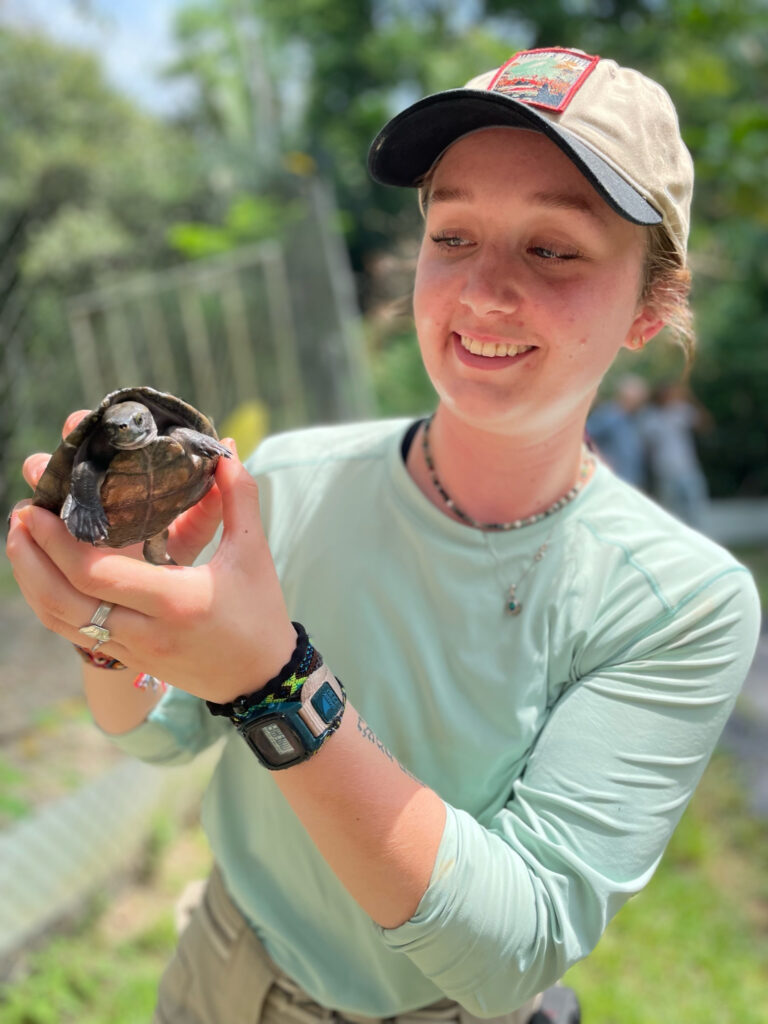
Julie Sheldon, clinical assistant professor in small animal clinical sciences, traveled to Peru through the program to collaborate on a wildlife epidemiology project examining the health of vampire bat populations and their role in disease transmission. This ongoing partnership, involving multiple institutions, exemplifies how SGL-supported work continues to evolve and expand well beyond the program itself.
Similarly, Charlie Kwit, assistant professor in the School of Natural Resources, focused his project on Spain, fostering collaboration between bird banding stations and herbariums. His work led to a symposium on animal-mediated seed dispersal and the formation of a research network that continues to examine ecological services across bird migratory routes.
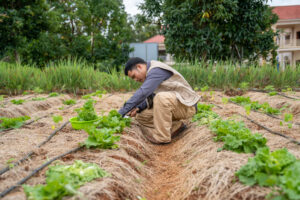
For Kristen Johnson, associate professor in family and consumer sciences, the SGL program enabled the development of community-based nutrition interventions in Cambodia. “It allowed me to link nutrition education with agriculture-focused initiatives in an international context,” she says. “I plan to continue this work to support healthier, more food-secure communities at home and abroad.”
The broader implications of the SGL program are clear: it has not only enhanced UTIA’s capacity for global engagement but has also provided a roadmap for how institutions can support faculty in becoming international leaders in their fields. As Tom Gill, professor and chair of the Smith Center, says, “We are proud of the accomplishments made possible through this program and excited to see how these faculty continue to shape the global conversation in teaching, research, and outreach.”
By supporting faculty innovation and partnership on an international scale, the Smith Global Leadership Fellows Program demonstrates what is possible when academic institutions invest in developing their faculty’s global footprint. As UTIA looks to the future, the SGL model stands as a strong foundation—one that other universities may look to as they build their own paths toward global engagement and impact.
MORE FROM THIS ISSUE