UTIA Fulbright Scholars Lay a Global Foundation for the Future
Partnerships forged through the University of Tennessee Institute of Agriculture (UTIA) have long opened doors to research, scholarship, and global engagement. Through the US Fulbright Program, these efforts are deepened and passed forward, creating a legacy that shapes future faculty and students. The Fulbright program offers opportunities for US citizens to teach, conduct research, and carry out professional projects in over 135 countries around the world. To be a Fulbright scholar is a prestigious accolade for the awardee and their institution. In the past three years, UTIA faculty and Herbert College of Agriculture students have built bridges across disciplines and continents through Fulbright initiatives, leaving an impactful foundation for future scholars.
UTIA Faculty Lead the Way for Global Collaboration
Neelam Poudyal, professor in the School of Natural Resources, spent several months in Nepal in 2022 and 2023 as a Fulbright scholar, building on international work supported by a UTIA seed grant. His research on community- based conservation in Nepal has led to meaningful policy conversations and academic contributions. “It broadened my view and understanding of issues impacting natural resources across the world,” Poudyal says. “It’s helped me develop new research questions to inform policy and management of these globally important resources.” His work shows how Fulbright participation enhances both personal insight and institutional research.
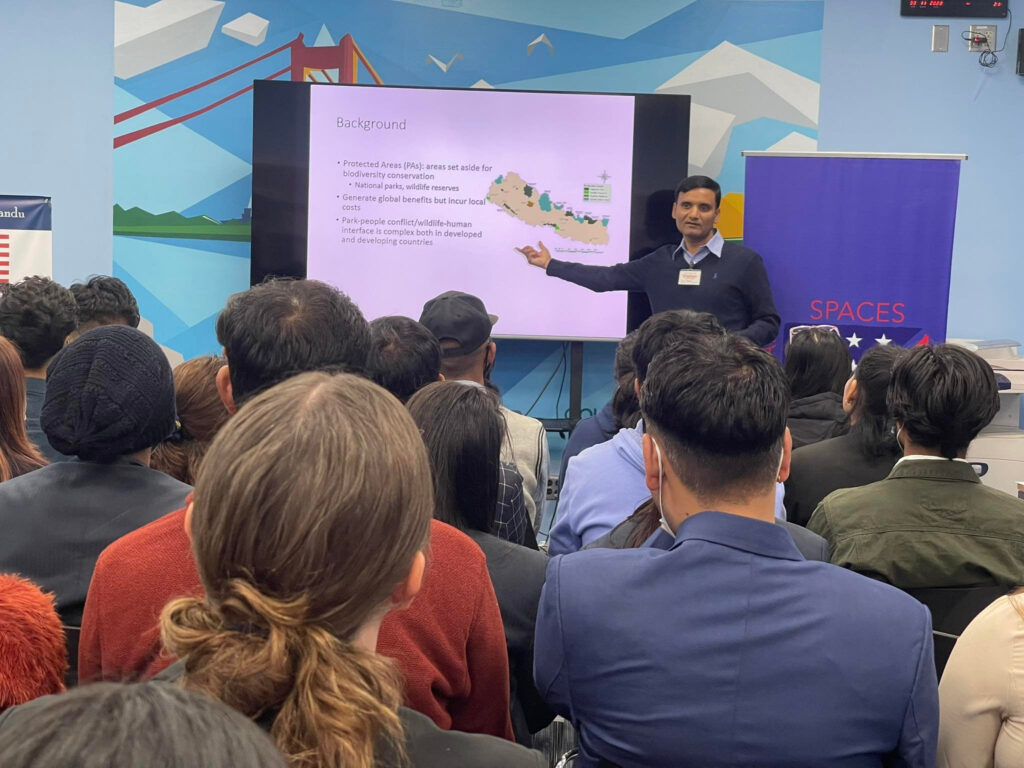
Adam Taylor, another professor in the School of Natural Resources, used his Fulbright experience in Finland in 2024 to explore carbon accounting, a new research area for him. “The Fulbright program has resulted in lasting collaboration and friendship,” Taylor says. “My collaborators and I have worked together on publications and graduate projects; I recently returned to Finland for an exciting research project.”
Both faculty members have made advancements in their research and integrated new knowledge into their teaching—ensuring their Fulbright experiences will benefit the broader UTIA community.
Students Building on Global Momentum
Recent UT Knoxville graduates have followed this lead, translating international experiences into community-driven projects through the Fulbright US Student Program.
Ashlyn Anderson (BS Food Security, Public Health, and Nutrition with a minor in Hispanic Studies and International Agriculture ‘22), a Fulbright-García Robles Scholar in Mexico, brought her background in food security and public health to life as an English teaching assistant. She co-organized a sustainability-focused virtual conference with UT faculty. “This experience helped me understand the importance of viewing other countries from an open-minded perspective,” she says. “We are all connected through a shared vision for better health and brighter futures.”
Niamh Schumacher (BS Food Science ‘21), also an English teaching assistant, returned to Rwanda, where she had previously interned with UTIA’s Smith Center. “International experience is important and transformative for all young people,” she says. “My Fulbright experience has been enriching because the students I teach are so focused and eager to learn. Getting to be a part of their growth has been a really rewarding experience.”
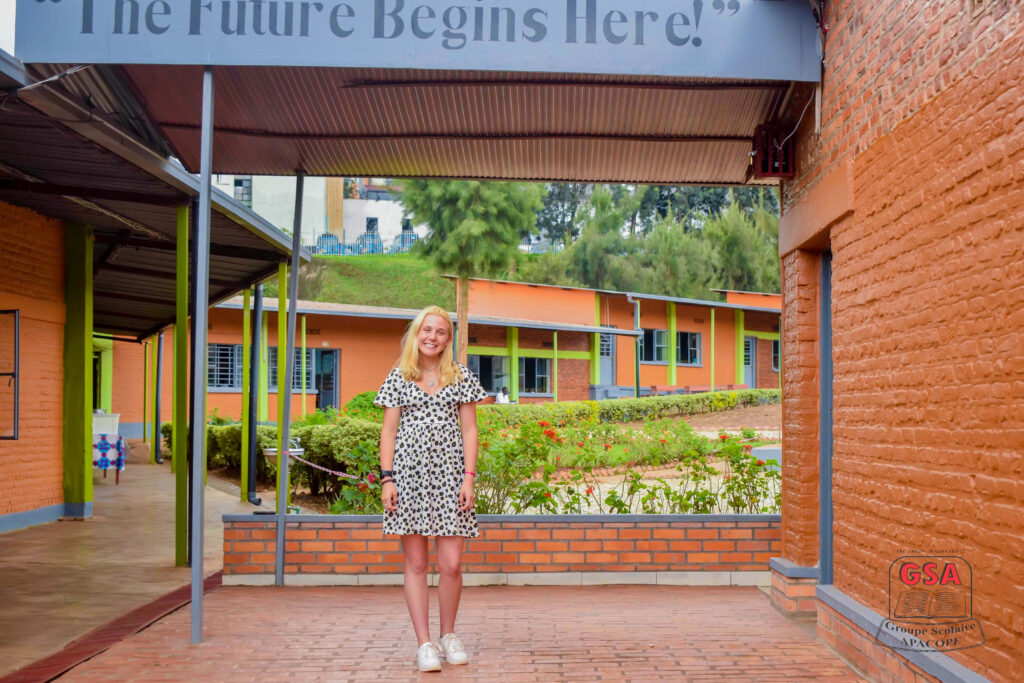
UTIA’s Fulbright Legacy Grows: Faculty and Students Expand Global Impact
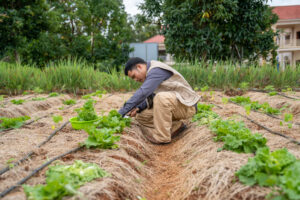
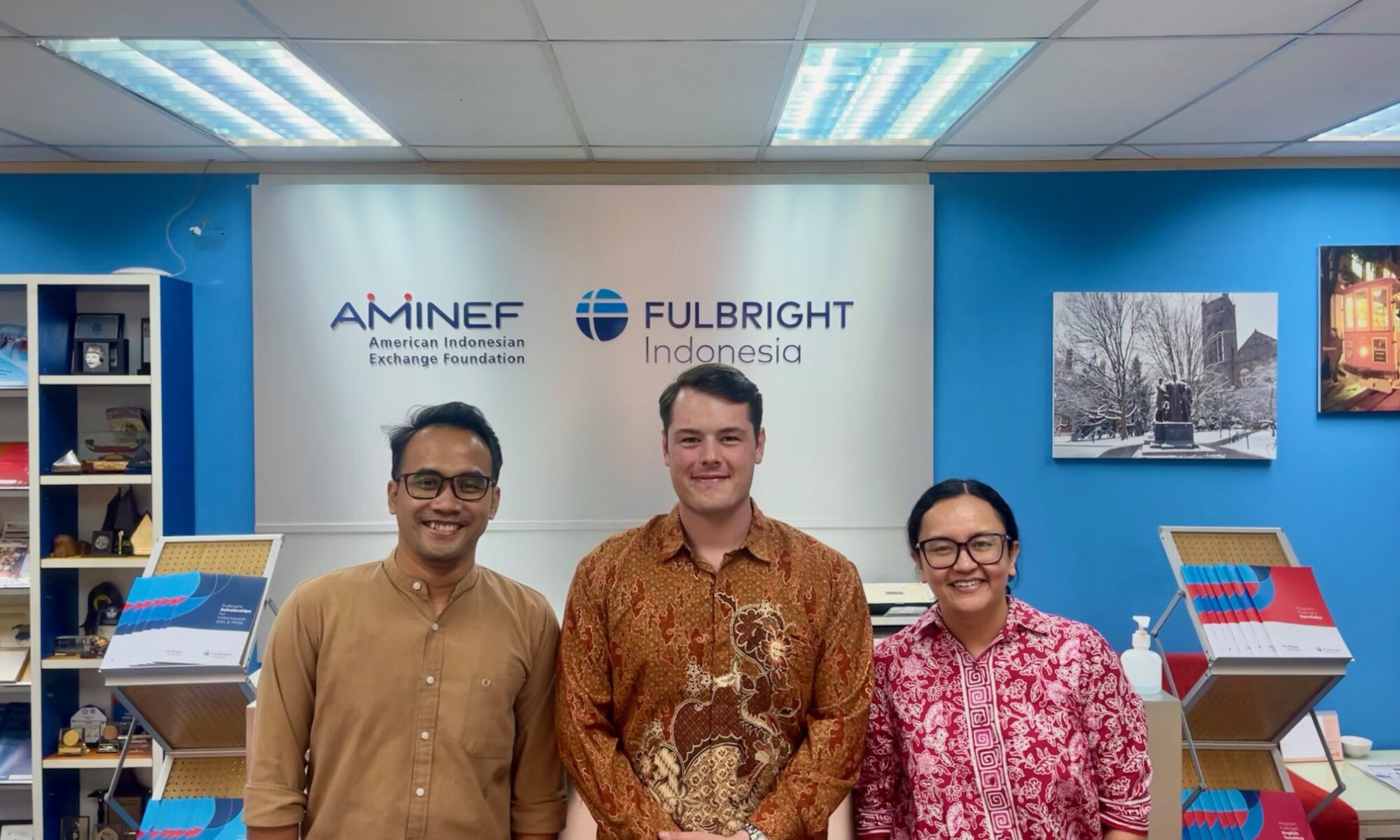
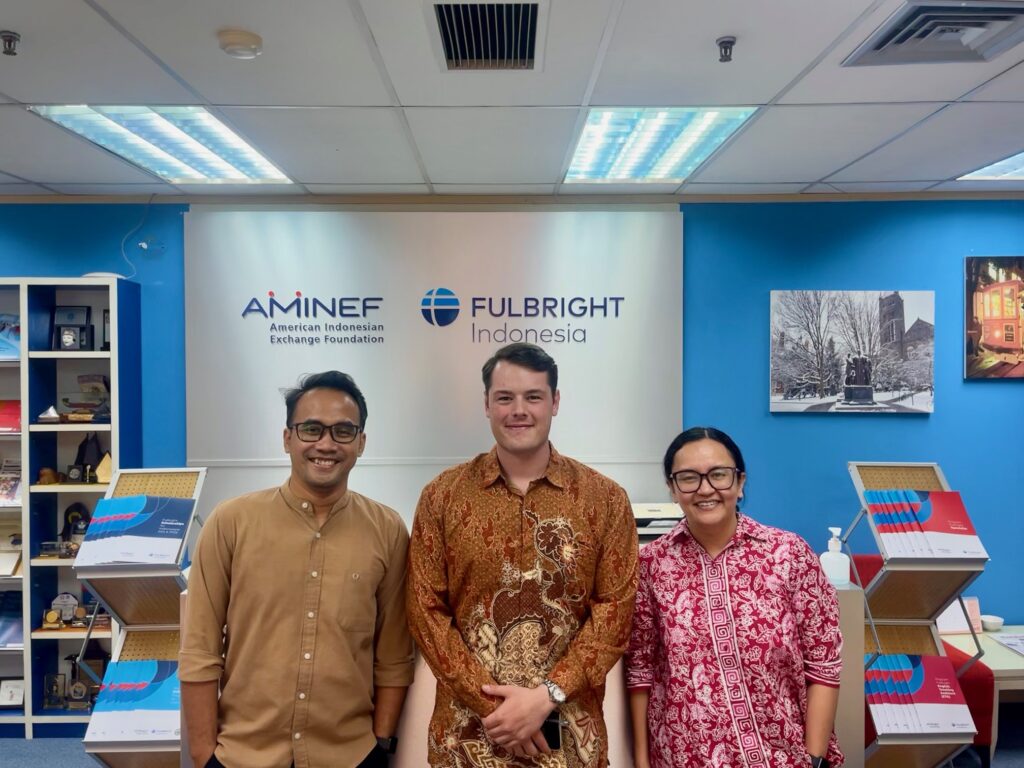
The newest scholar, David Holdridge (BS Forestry ‘24), a US Army Engineer Officer and Army veteran, received a Fulbright Research Fellowship in Indonesia shortly after earning his bachelor’s degree in forestry. His work focuses on restoring abandoned tin mines using palm oil waste mulch and testing citronella grass for soil rehabilitation.
Holdridge’s journey began on UTIA’s campus, where he worked in multiple research roles and was introduced to the Fulbright program through associate professor Denita Hadziabdic Guerry’s lab in plant pathology. Now immersed in Indonesian culture and language, Holdridge describes his experience as “equal parts cultural immersion and scientific discovery.”
“Grassroots relationships through programs like Fulbright are imperative to America’s success in an ever-cooperative world,” Holdridge says. “International scientific collaboration benefits everyone.”
Also representing UTIA is Virginia Kiefer Corrigan, clinical associate professor and director of interprofessional education at the UT College of Veterinary Medicine. Selected for the Fulbright US Scholar Program (2025–2026), she will work with the Centre for Wellbeing Science at the University of Melbourne. “My goal is to co-create a wellbeing-integrated curriculum framework that empowers students and educators alike, fostering environments where veterinary professionals can truly thrive,” Corrigan says. “By addressing systemic challenges and prioritizing flourishing from the start, we can help shape a more resilient, compassionate, and sustainable future for the profession, both in the classroom and beyond.” In addition, Toni Wang, professor in the Department of Food Science, was selected for the Fulbright-NSF Distinguished Arctic Research Scholar Program (2025–2026). She’ll collaborate with partners at the University of Iceland to expand work on fish freezing quality, protein hydrolysate as antioxidants and polar lipid quality in addition to contributing to sustainability curriculum development to impact industry and outreach activities around food quality and waste reduction.
Fulbright at UTIA: A Legacy of Real. Life. Solutions.
The Fulbright Program opens doors for teaching, studying, exchanging ideas, and building cross-cultural understanding. At UTIA, it also cultivates something deeper: a tradition of global engagement rooted in curiosity, service, and collaboration. From the forests of Indonesia to veterinary classrooms in Australia, UTIA Fulbright scholars are forging connections and finding solutions with global relevance. As they build partnerships abroad, these Fulbright scholars are not only forging their own paths—they are laying the groundwork for others to follow.
MORE FROM THIS ISSUE