There’s a reason UT Knoxville is known as an everything school, and it’s not just because our academic programs are drawing more students than ever or our athletics teams have had unprecedented success. It’s because we care about preparing students to be leaders in their chosen fields. When it comes to agriculture, this means fostering the best international opportunities we can possibly offer students.
At the Smith Center, we believe that the immersive learning and growth that takes place when students study abroad can not only help them narrow down their academic interests, but it can also change their lives. We’ve partnered with Herbert College of Agriculture to create courses tailored to many different disciplines and career paths. Students interested in wildlife and natural resources can study the impact of bats on the local food systems, while animal science and pre-vet students can dig into horse racing’s impacts on Ireland’s economy. These experiences not only show students that their post-college opportunities are endless, but they also equip them to be ready when those opportunities arise. In the following section, we share first-hand accounts from students across a range of programs, exploring a variety of regions but all with a common theme: having access to international experiences fosters growth that leads to lifelong impacts.
Southeast Asia
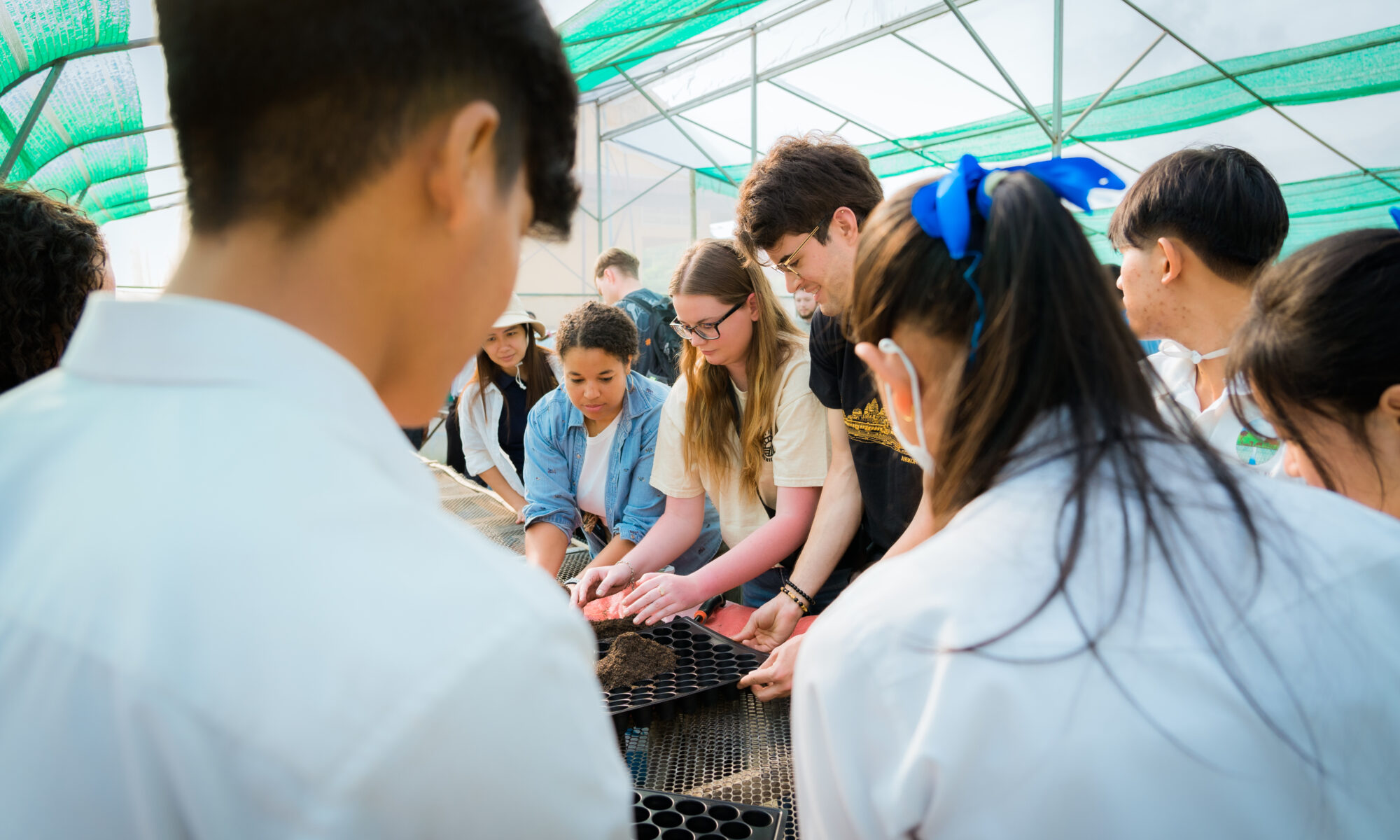
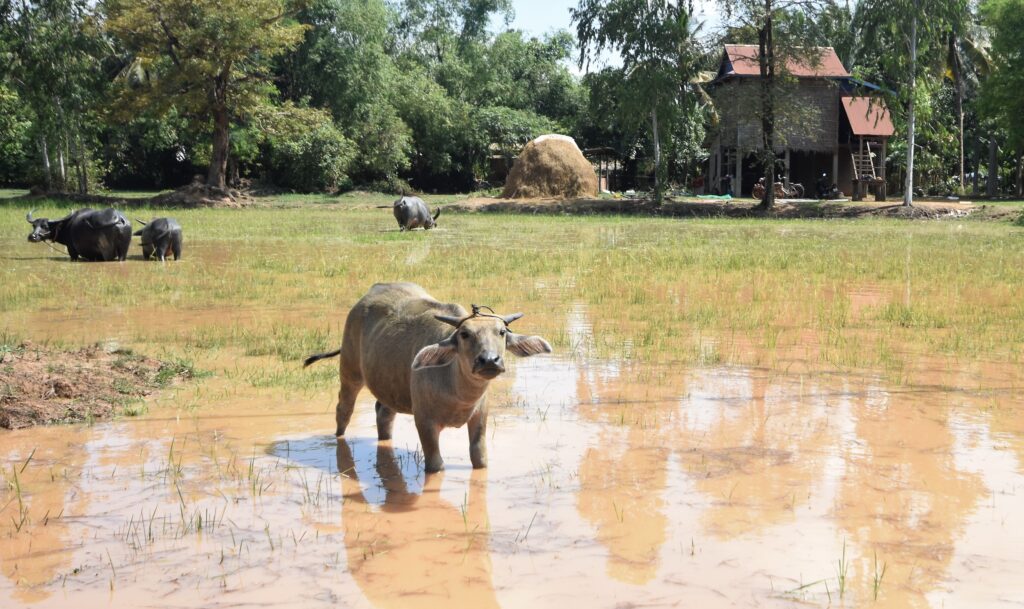
In January 2024, amid the bustling streets and lush landscapes of Cambodia and Vietnam, a group of Herbert students embarked on a transformative journey to uncover the intricate ties between agriculture, culture, and global trade. From planting mangroves in coastal communities to meeting with trade officials in vibrant cities, their experience offered a rare window into how agriculture shapes lives across borders.
In Cambodia, undergraduate and graduate students explored agricultural development by planting mangroves and collaborating with local students to extend the benefits of school gardens to homesteads. Later, in Vietnam, the graduate students met with various US trade partners as well as US government officials to better understand US–Vietnam trade relations, gaining firsthand insight into global agricultural policy.
Michelle Hung, a graduate student who was completing a master’s degree in agricultural leadership, education, and communications and focusing on international trade and development, and is now pursuing a PhD, identified the meeting at the US consulate in Ho Chi Minh City as the highlight of her experience. At the consulate, students took part in a meeting with USDA Foreign Agriculture Service Officers and the National Needs Fellowship students received a briefing on trade relations between the US and Vietnam.
Hung found this experience to be enlightening. “It was fascinating to learn about the connectedness of our economies, as well as the implications of trade policies implemented by previous and current presidential administrations on both a short and medium-term basis. This program helped me better understand the global dynamics of agricultural trade, and how they impact businesses, farmers, and people both at home and abroad.”
Croatia
In the heart of Europe, where ancient landscapes meet cutting-edge technology, students explored how digital innovation is reshaping agriculture. The summer 2025 program led them through Croatia’s rolling fields and historic towns, immersing them in a world where precision tools and artificial intelligence drive a new era of farming.
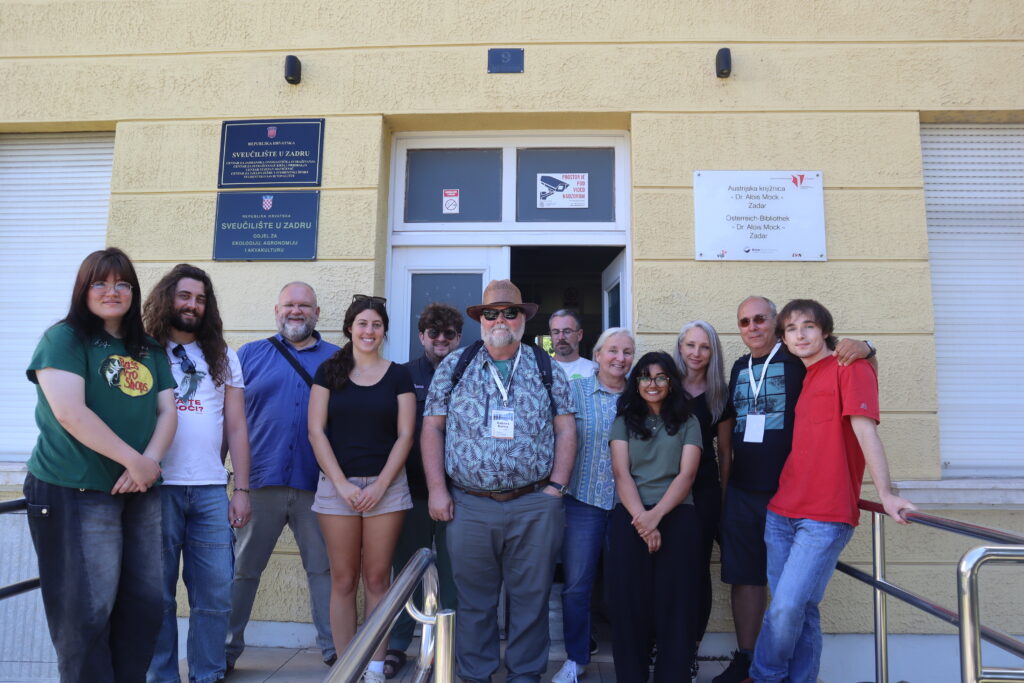
Through site visits, student-led presentations, and immersive cultural experiences, from modern farms to UNESCO heritage sites, participants engaged directly with European approaches to precision agriculture, artificial intelligence, and data-driven farming systems.
Kristen Graas, a graduate student pursuing a master’s degree in agricultural leadership, education, and communication, shared what impacted her the most. “Meeting locals to me is the most important part of going abroad. Learning their culture through conversation and food is the whole point of leaving home,” she says. The program combines technology and tradition to offer students a deeper understanding of agriculture in a global context.
Belize
With limited spaces to enter veterinary school, pre-veterinary students are increasingly searching for opportunities to build their skills and help them stand out in crowded applicant pools. A popular opportunity that UT provides is the Small Animal Veterinary Experience (SAVE) study abroad program to Belize, an experiential program for pre-veterinary students looking for exposure to veterinary care in an international setting.
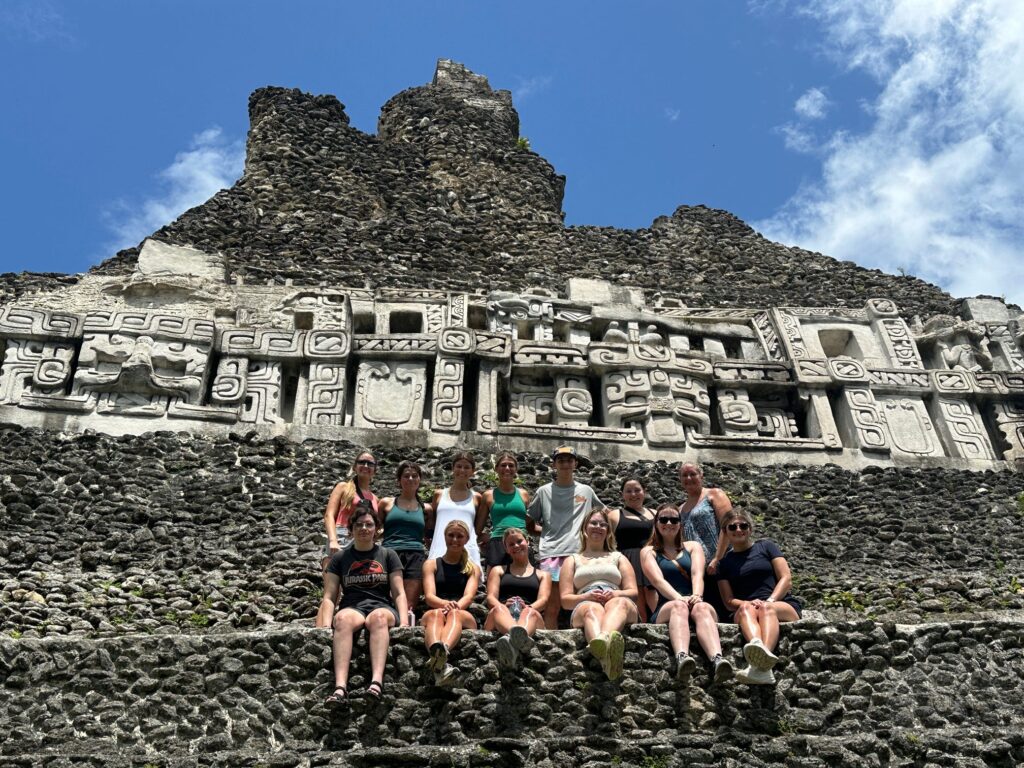
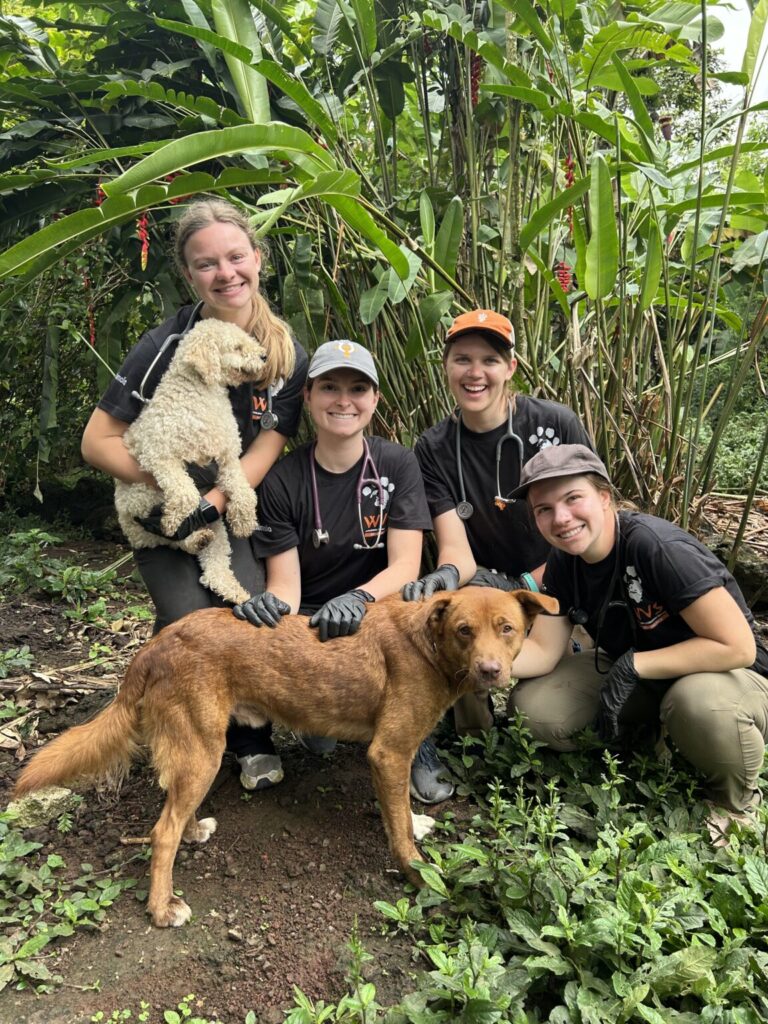
In summer 2024, UT students in the SAVE program traveled across Belize and conducted community spay and neuter clinics, general animal health clinics, and more. Being able to perform physical exams, administer drugs, and run tests on animals provided a diversified hands-on experience. SAVE exposed students to a range of activities that could not only expand their veterinary knowledge but impact their career paths as well.
Lettie Jo Watson, an animal science major with a concentration in pre-veterinary medicine, shared what she gained from the program. “I had to learn to be confident in myself and my abilities, even when I am doubting myself. If you want to push yourself, you have to be okay with being wrong or embarrassing yourself. Even if I made a mistake, I was able to learn from it, and now I will remember how to do it right the next time,” she says. The SAVE program gave students like Watson a transformative glimpse into the future of their careers—and a greater sense of readiness for what lies ahead.
Costa Rica
The biodiversity of Costa Rica means it’s an exceptional place to learn more about agriculture and natural resources and how people interact with them. In addition to the first-year program, Herbert students can participate in a program called Plants, Parks, and People from the Smokies to San Jose over spring break to delve into the varied environments and ecosystems of their host areas.
Sydney Hueser, a biology major on the ecology and evolution track, had a memorable experience on the spring break course. She says the program allows students to study “various ecosystems and the role they play in Costa Rican society and culture as well as the work being done for the conservation and preservation of hundreds of species and environments that call this country home.”
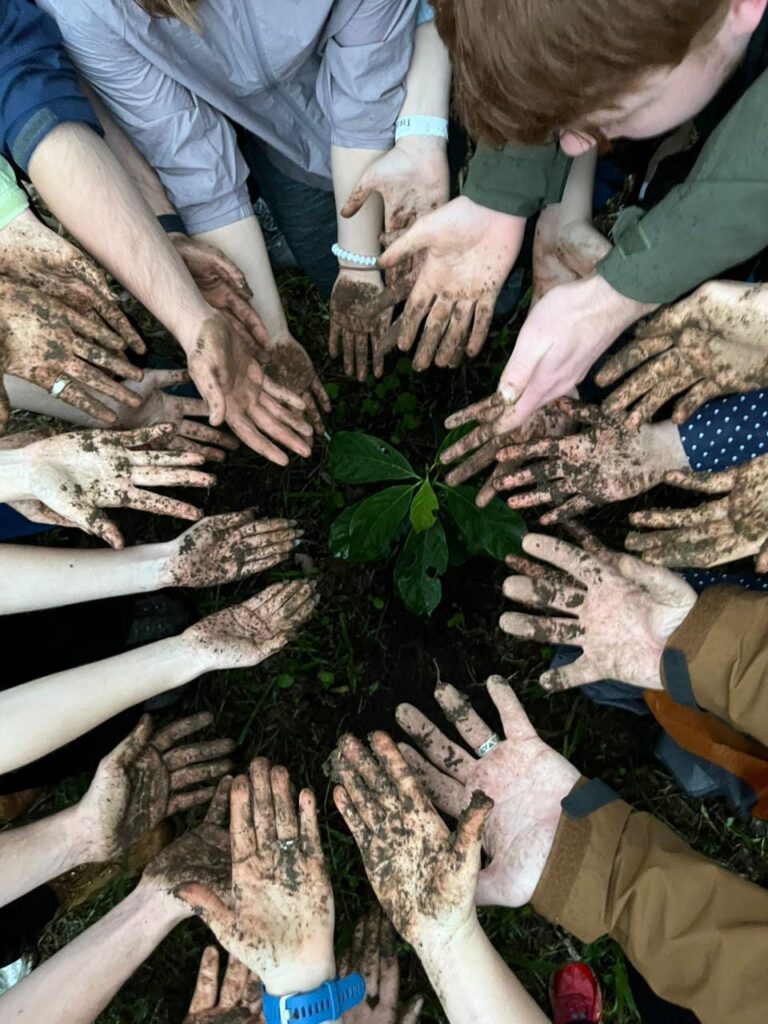
Hueser adds, “There is so much to learn from places different than your own. This experience has shown me what conservation and protecting the environment looks like in other countries. I was able to see the effects of when an entire country is working to protect biodiversity and protect the planet.”
Galapagos
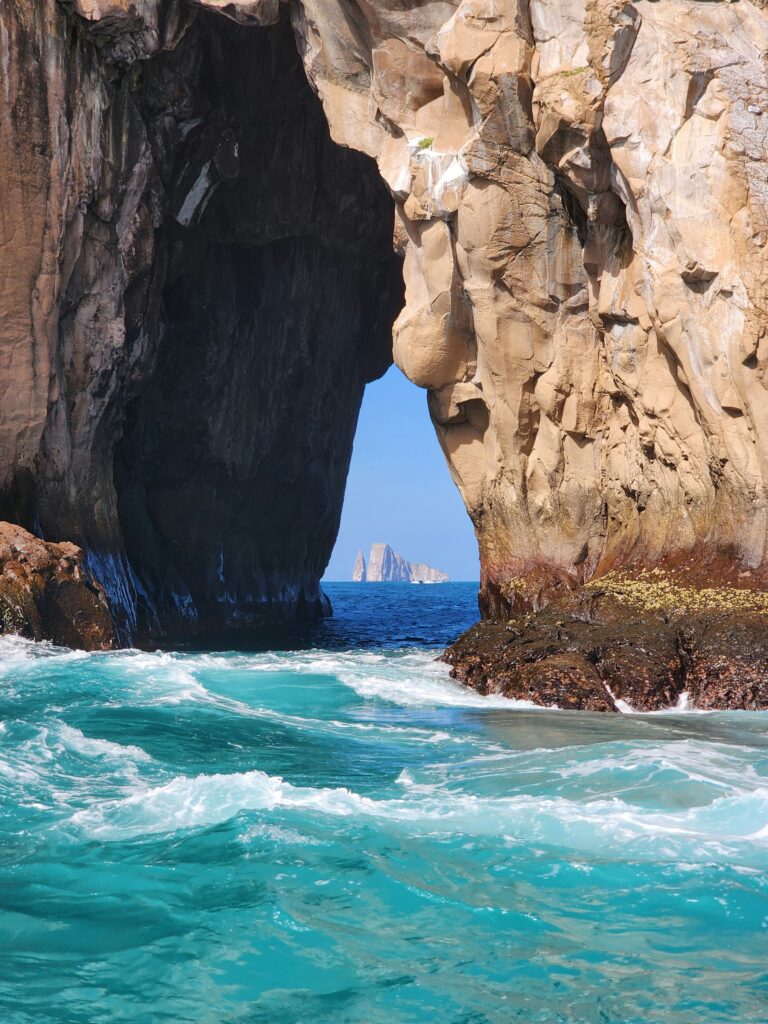
On the remote Galapagos Islands, veterinary students stepped into a world unlike any other where unique wildlife and ecosystems offered a once-in-a-lifetime chance to expand their clinical skills and cultural understanding. From surgeries to patient care, their experience deepened both knowledge and compassion in an extraordinary setting.
Elizabeth Wagner, a veterinary student who participated in UT College of Veterinary Medicine’s Galapagos program in January 2025, reflected on her experience. “Studying in the Galapagos was special because many diseases and conditions that the animals get there are different from what our patients in the US have, so it was interesting to see how people treat and provide care for the animals there. This program not only furthered my education, but it has positively impacted me as a person, and I am grateful for the memories that I made while in the Galapagos Islands,” she says.
These aspects of the program give students opportunities to gain hands-on experience and learn more about the differences in patient care in countries apart from their home. They are able to gain a diversified perspective for their field as well as grow their global outlook. Given how certain diseases and conditions related to animals vary geographically, these interactions could be the only exposure these students get, even into their professional lives. And if they do encounter one again, then they’ll be more prepared than their colleagues.
Guatemala
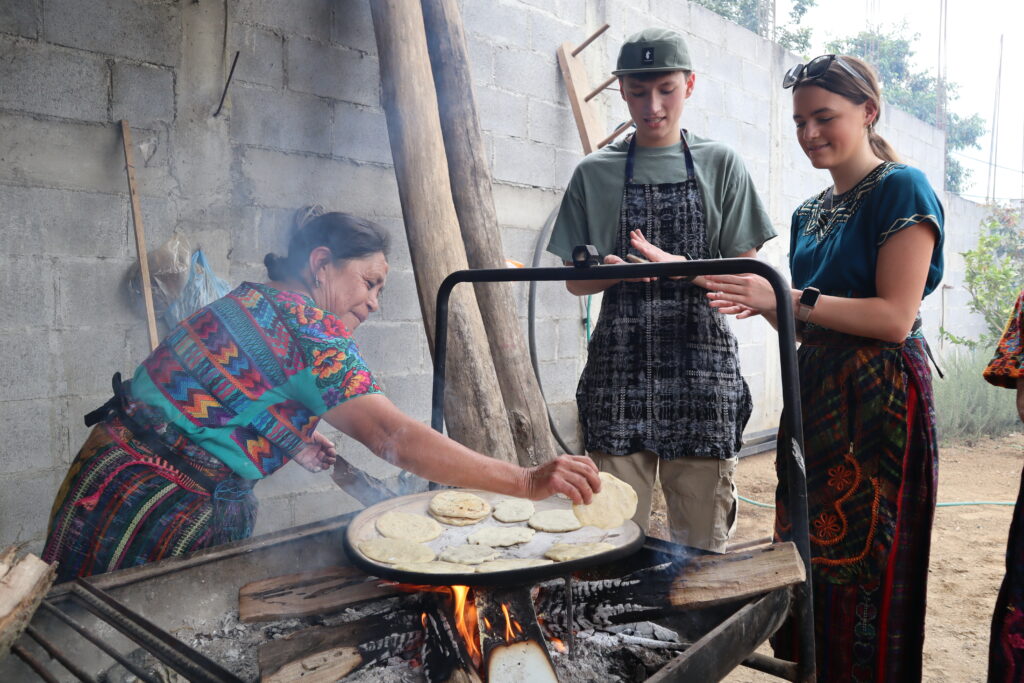
“Being able to learn by doing in Guatemala truly left a lasting impact,” says Delaney Turner, an agricultural leadership, education, and communications major, as she shared how the springbreak program fit into her passion for the agriculture industry. “Whether it was picking coffee cherries off trees, eating avocados grown on the side of a volcano, or making corn tortillas from scratch, we were able to experience Guatemalan culture and agriculture practices firsthand.”
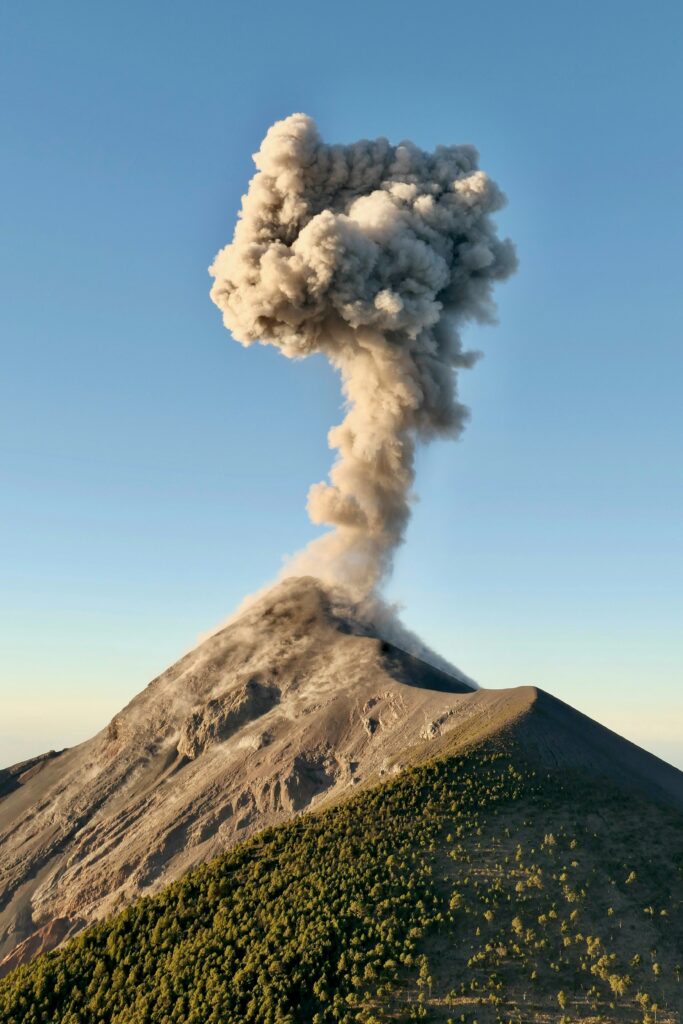
The Food, Agriculture, and Natural Resources in Guatemala program in March 2025 took students across multiple agro-ecosystems common to Central America. Students learned about the conservation of natural environments ranging from tropical forests to marine ecosystems to volcanic landscapes. The class allowed students to “learn by doing,” through hands-on experiences to connect what they learn in the classroom with what is happening in daily life in the field and in homesteads across Guatemala.
This is only a small window into how international education impacts our students every year. While some of these programs run annually, we are looking forward to the addition of courses in Japan, Indonesia, Belgium, Greece, and Mexico in 2026. Supporting students and fostering these international experiences is central to our mission of empowering UT students to be global citizens. The future is brighter when students are equipped to go out into the world and develop and deploy sustainable solutions to the world’s complex, agriculture-related challenges.
England & Scotland
Amid the fragrant blooms and manicured paths of historic gardens across England and Scotland, students stepped into living classrooms during the Glorious Gardens summer program. Each garden visit became an opportunity to connect plant science with culture, history, and future career dreams—while forging bonds that cross continents.
“Many of the gardens we visited mentioned hosting interns and students. I would love to visit London again, maybe even live there one day. It felt right for me to be there,” says Lamara Stuart, a plant sciences major concentrating in public horticulture.
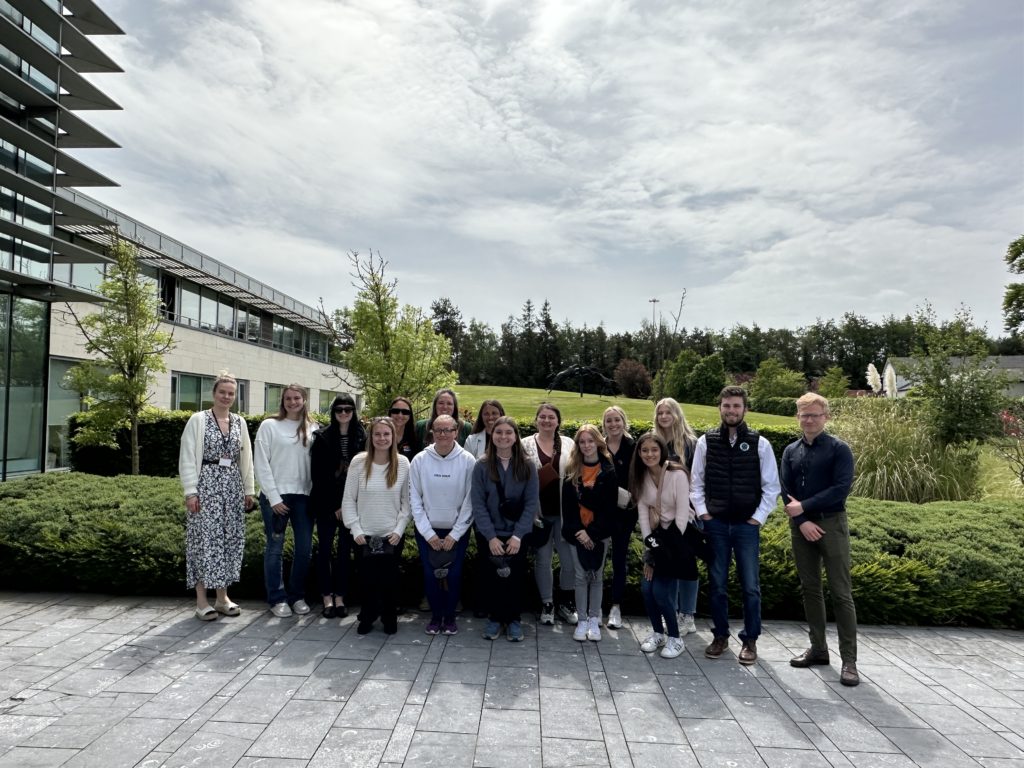
The group of nine students toured world famous gardens and explored nature centers. A program like this one creates an immersive environment for participants to gain in-depth understandings of the relationships between gardens, landscapes, cultures, and societies across the world.

Cultivating international connections, such as internships and global partnerships, is an aspect of studying abroad that cannot be found in a classroom. Experiential learning and first-hand application of studies while traveling internationally are unique opportunities. As shown by Stuart’s experience, often students become aware of opportunities they didn’t even know existed.
Ireland
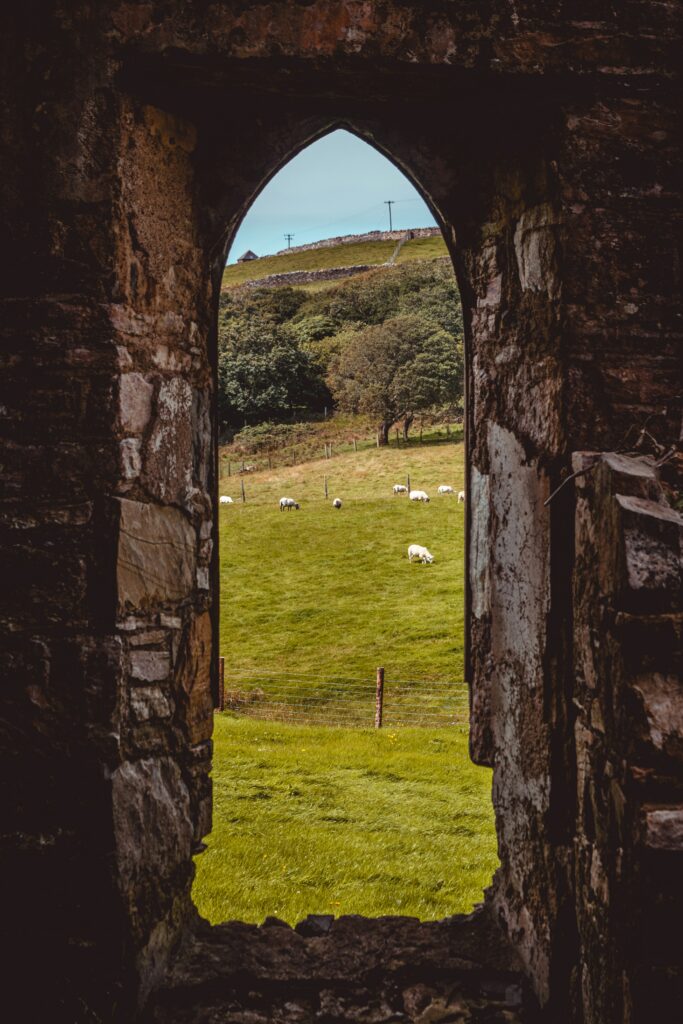
Rolling green hills, centuries-old stone fences, and the rhythmic sound of hooves on turf—this was the backdrop for Herbert students as they explored Ireland’s renowned equine industry in May 2023. For many, it was their first time seeing firsthand how deep-rooted tradition and modern agricultural practices intertwine in a country where horses are not just animals but a way of life.
Launched as a new study abroad program, the experience took students across the Irish countryside to visit stud farms, racecourses, universities, and agricultural sites. With each stop, they gained insight into the multifaceted world of equine science and business, from breeding and training to logistics and trade.
For Baylor Winecoff, a business management alumnus, the trip opened new doors. “My time abroad taught me that starting a career in logistics could open different opportunities for me in the equine industry,” he says. “I used to think there were not many job opportunities in the industry, but I was totally wrong.”
Whether walking the grounds of a historic racecourse or speaking with professionals shaping the future of Irish agriculture, students experienced the industry from every angle. The program didn’t just offer a glimpse into international agriculture; it shifted career paths and expanded horizons, leaving a lasting impact long after returning home.
MORE FROM THIS ISSUE