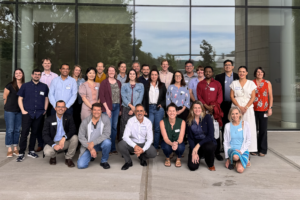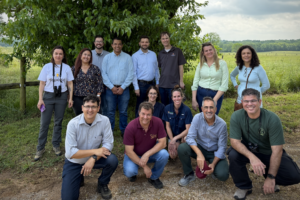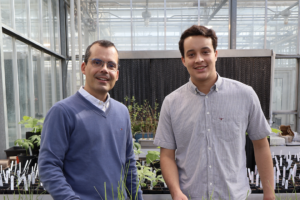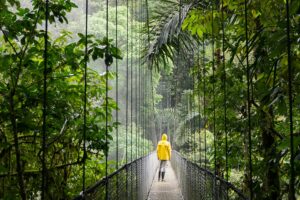
The Japanese culture of Mottainai encourages respect for resources and emphasizes reducing waste. The term loosely translates to “waste not, want not.” Students learned this cultural concept during the May 2026 UT One Health: Agriculture and Natural Resources study abroad program in Japan. This understanding of “waste not, want not” summarizes what program leader Shigetoshi Eda, School of Natural Resources professor and newly-appointed associate director of the UT Japan Center, hoped his students would learn from the program.
“The main purpose is for students to think about how they can apply the One Health approach to issues in agriculture, natural resources, and food safety in the United States and Japan, but especially in Tennessee,” Eda says about the program. This approach recognizes that the health of humans, animals, plants, and the environment are linked, with the health of one affecting the health of all.
The program’s educational and hands-on activities focused on One Health and how everything is connected, but in addition to these learning objectives, Eda also encourages his students to explore and experience Japan. “I want students to enjoy Japanese culture, especially food and pop culture in the cities,” Eda says.
During the twelve-day program, students visited Tokyo, Kyoto, and Nagoya.
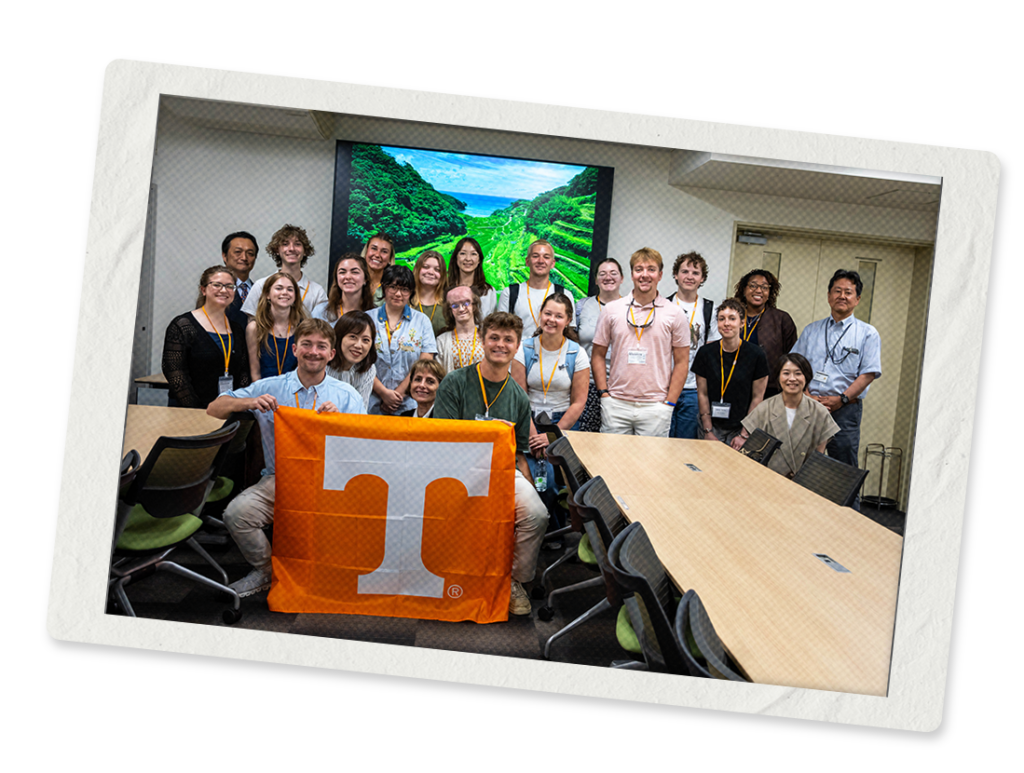
In Tokyo, the group attended lectures at the Tokyo University of Agriculture, and in a cross-cultural exchange, gave presentations to their hosts on a wide variety of topics, including fertilizer pollution runoff and the loss of biodiversity in Tennessee. While on presentation day Typhoon Jangmi caused in-person activities at the university to be canceled, the students were still able to give their presentations over Zoom.
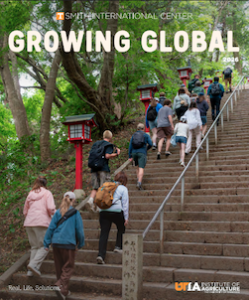
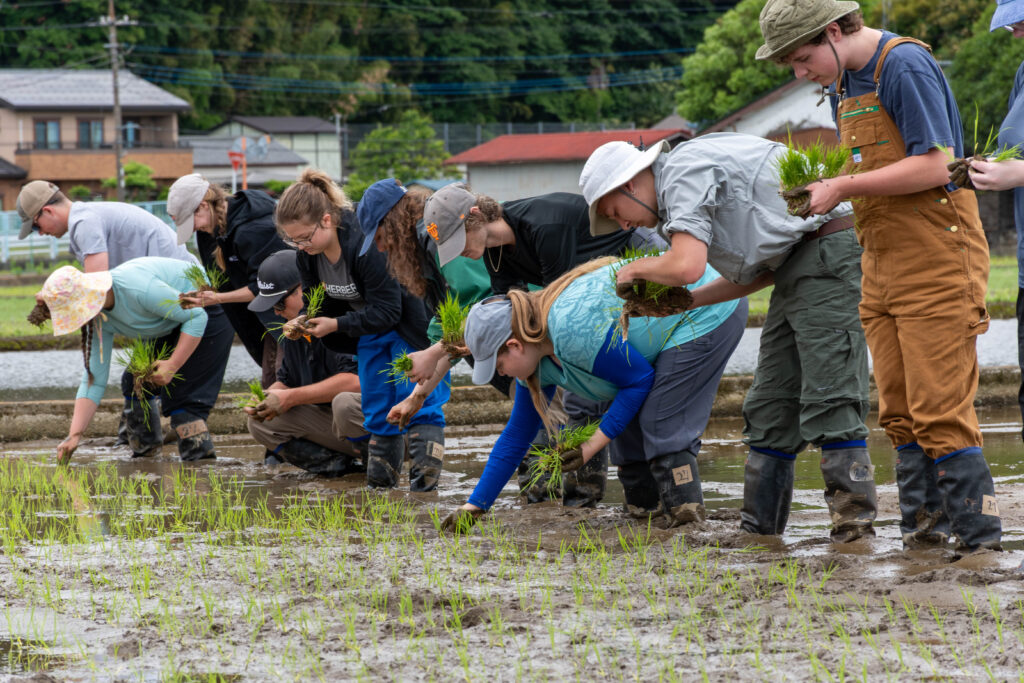
While in Tokyo, the group planted rice on the university’s Isehara Farm and traveled to Mt. Takao for a biodiversity tour including riding a cable car, seeing a monkey park, and hiking through shrines.
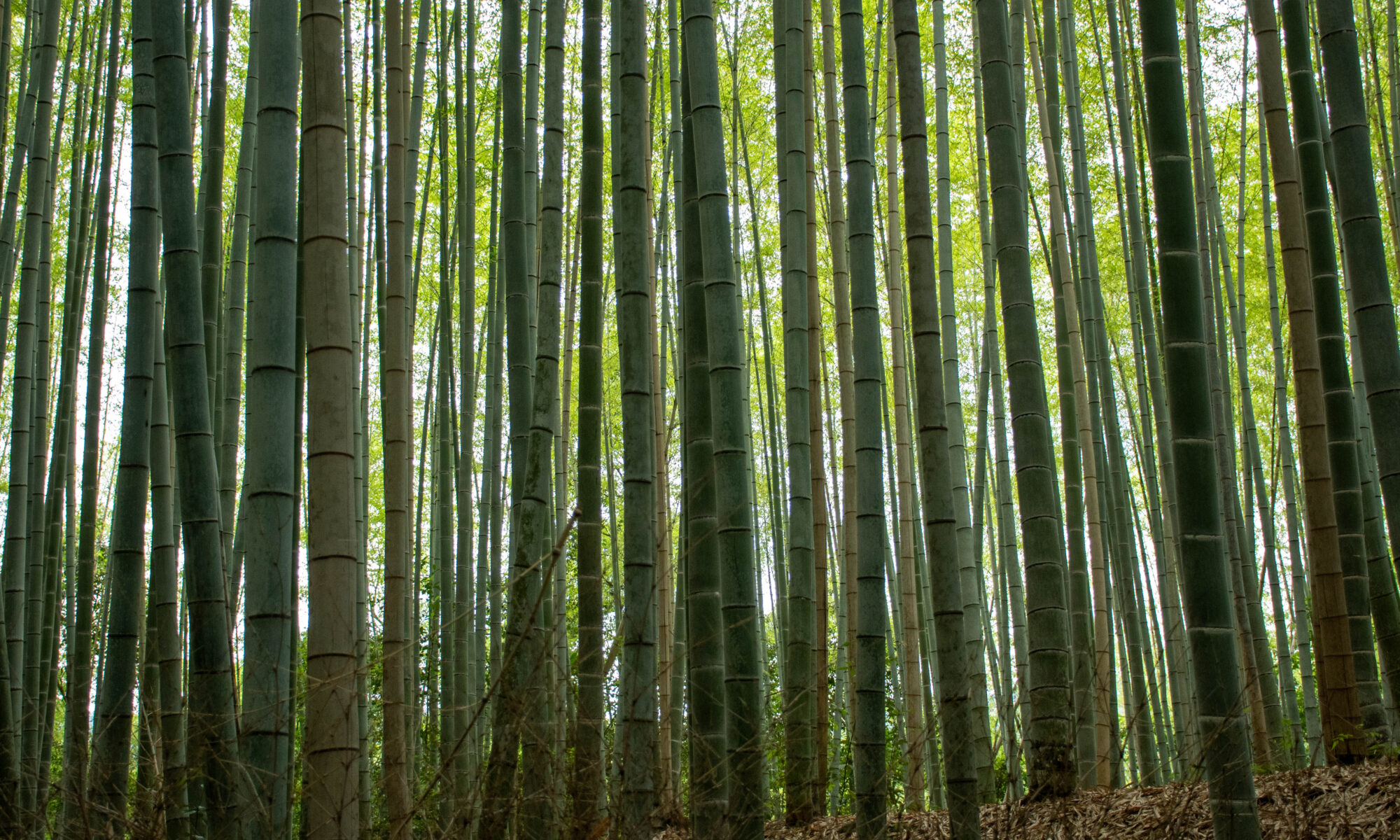
After visiting Tokyo, students traveled to Kyoto on the Shinkansen, or bullet train, which covers 280 miles between Tokyo and Kyoto in just two hours. While in Kyoto, the group visited the Arashiyama district, an area known for its bamboo forest, and the Kiyomizu-dera Temple in the Higashiyama Ward.
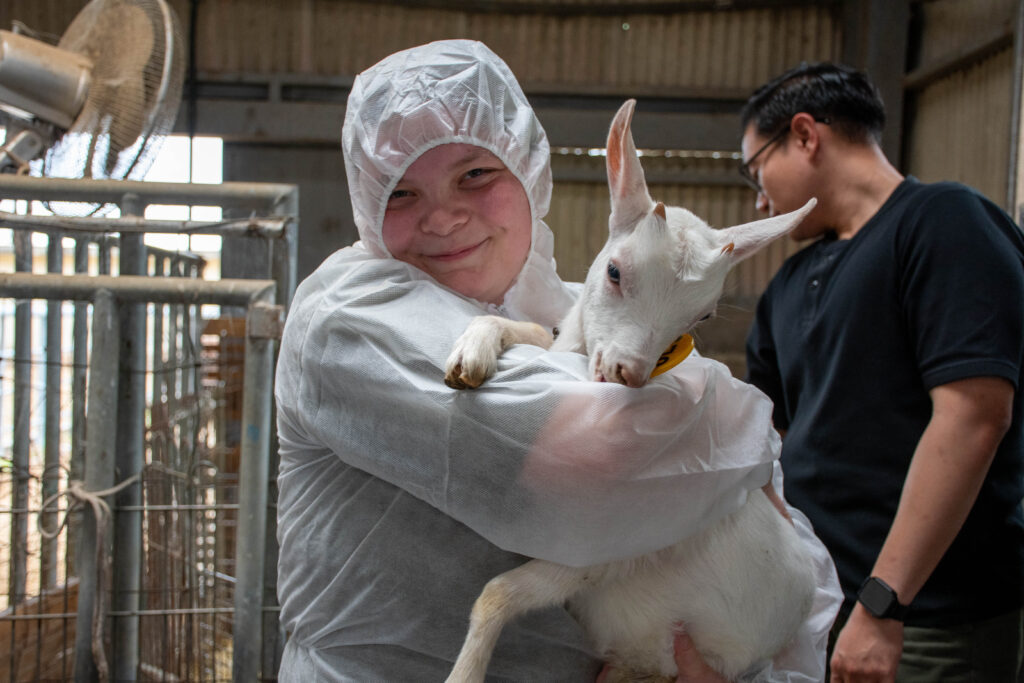
To round out the trip, students visited Nagoya, which, after the hustle and bustle of Tokyo and Kyoto, the fewer crowds felt like a breath of fresh air. While in Nagoya, the group attended lectures at Nagoya University and traveled to the university’s farm to learn about projects on rice planting and goats. A few students also participated in some hands-on experiences with livestock and crops in the field.
“I got to do an abdominal ultrasound on a cow through the colon,” Landon Smith, a junior majoring in animal science, says. “It was my favorite part of the program.”
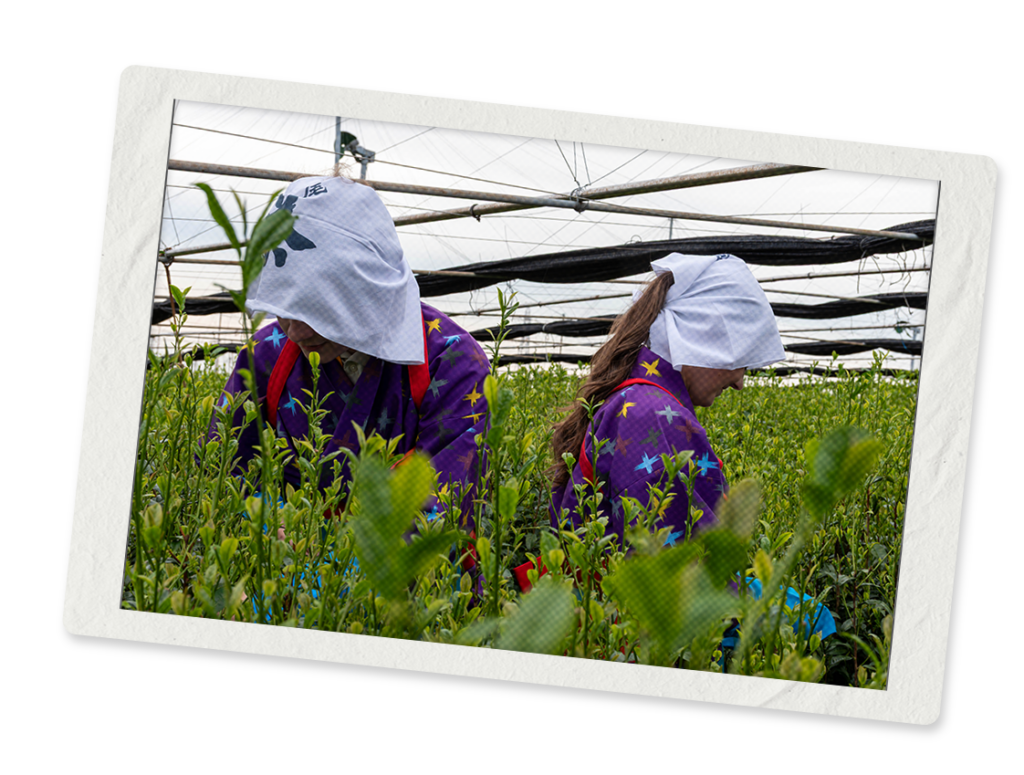
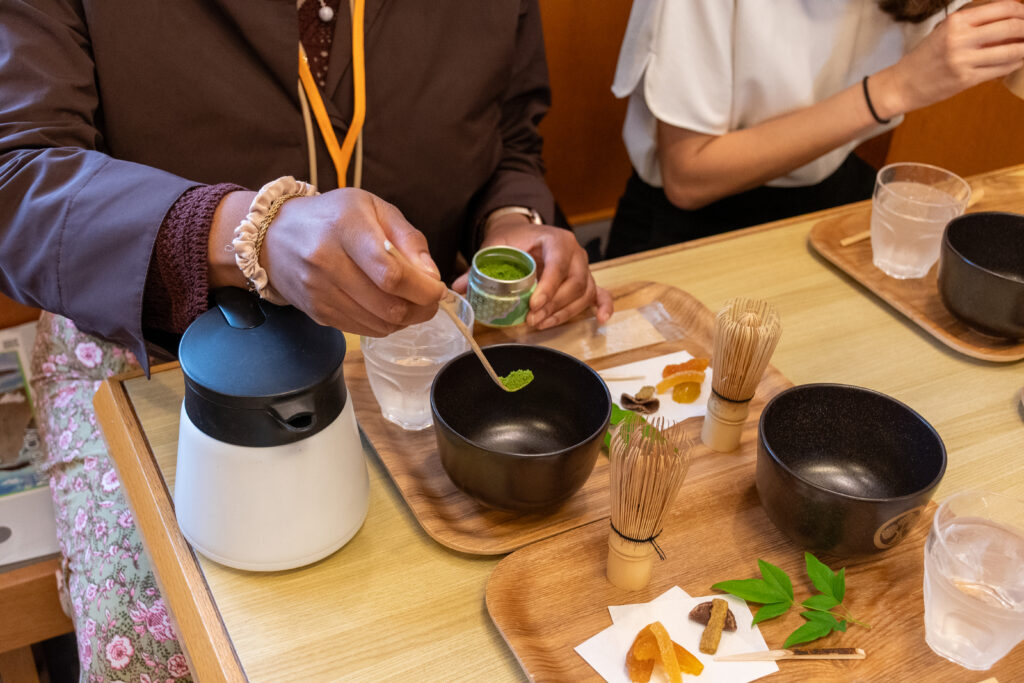
The group visited a farm in Nishio that grows tea for matcha producer Aoi Seicha. They toured the factory and saw stone mills used to create the fine, green powder. The students dressed in traditional attire for picking tea leaves in the field and learned how to properly make and drink matcha.
“I thought that was really cool to see how matcha is made because I love matcha,” Emery Nelson, a senior majoring in environmental and soil science, says. “It was really fun.”
Eda hopes to continue offering this program in years to come.
“This program blends academics, culture, and hands- on experiences in One Health,” Eda says. “Students have the opportunity to learn about subjects they are interested in while also enjoying Japanese culture and food.”
Kyra Barrier, study abroad coordinator for Herbert College of Agriculture, agrees. “Japan is becoming a sought-out location for students. This program allows students to visit in a way that is academically enriching and includes cultural exchanges between Japan and the US.”
Throughout the program, students also had the opportunity to participate in an exchange with Japanese students at the Tokyo University of Agriculture Atsugi campus and at Nagoya University, and Eda hopes the exchange will inspire Japanese students to study abroad in the US.
“Many Japanese students are interested in coming to the US, but they’re hesitant because they don’t know how things work,” Eda says. “I’m hoping Japanese students will learn how they can come to the US, and if they interact with UT students, they may feel like their English is good enough for communication.”
Through cross-cultural experiences and a deeper understanding of One Health, this study abroad program prepares our future leaders for careers in global agriculture. UT students learning about Japanese culture is important, as the largest source of foreign direct investment in Tennessee is from Japan. These foreign direct investments, in turn, provide many workforce opportunities in Japanese businesses for UT graduates.
“I hope the main takeaway for our students is that they all have a role in solving the biggest problems in agriculture and natural resources. We all need to contribute to these complex, multidisciplinary approaches,” says Michelle Hung, co-leader of the One Health study abroad program in Japan and PhD student at the Smith Center for International Sustainable Agriculture.
MORE FROM THIS ISSUE