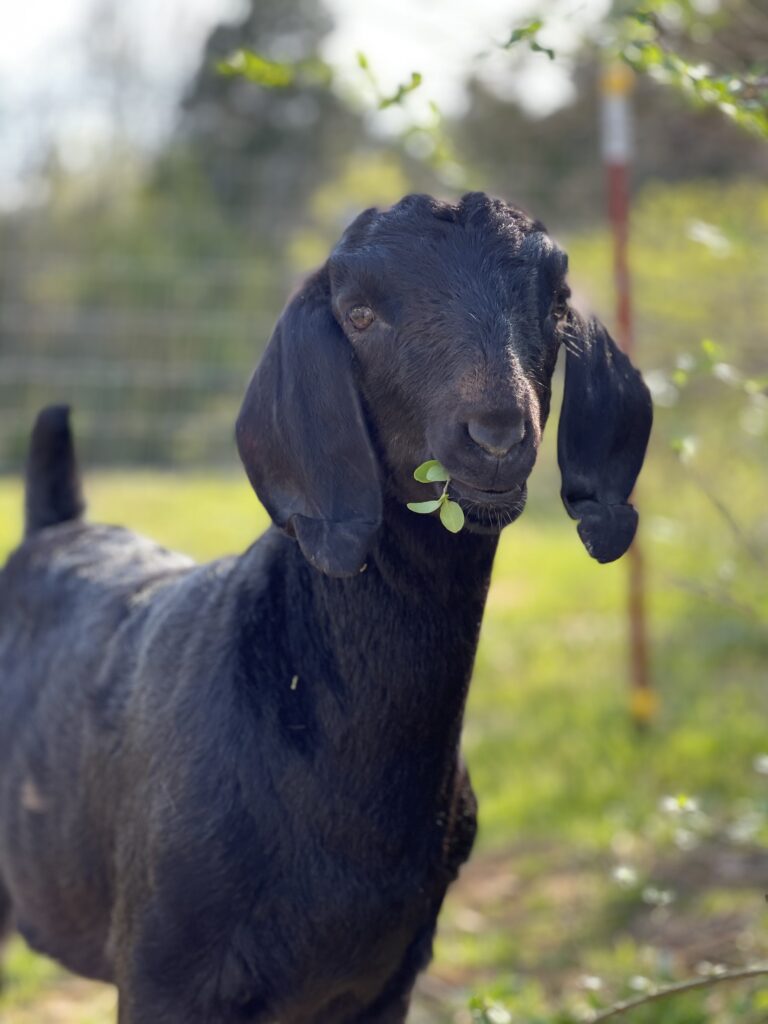
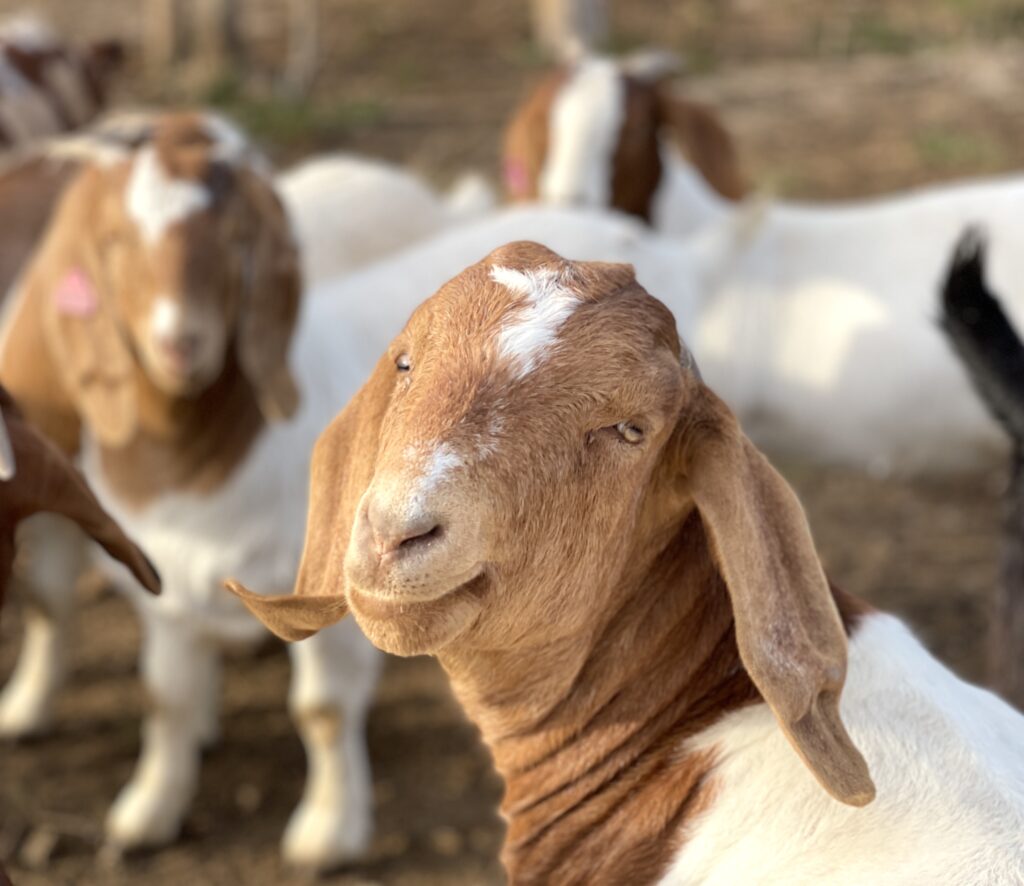
When Elizabeth Mobley and her husband started raising Boer goats, they weren’t thinking about global markets, they simply wanted to build a business their children could be involved in. A few years later, goats from their Tennessee farm are improving breeding programs in Jamaica and the Philippines.
Across the state, similar stories are unfolding every day. Hardwood harvested in Franklin County is finding its way into homes around the world, Tennessee spirits are attracting visitors from across the globe, and cotton grown in West Tennessee is making its way to international markets thousands of miles from where it was planted. While Tennessee agriculture often feels local, its impact reaches far beyond state lines.
007 Boer Goats
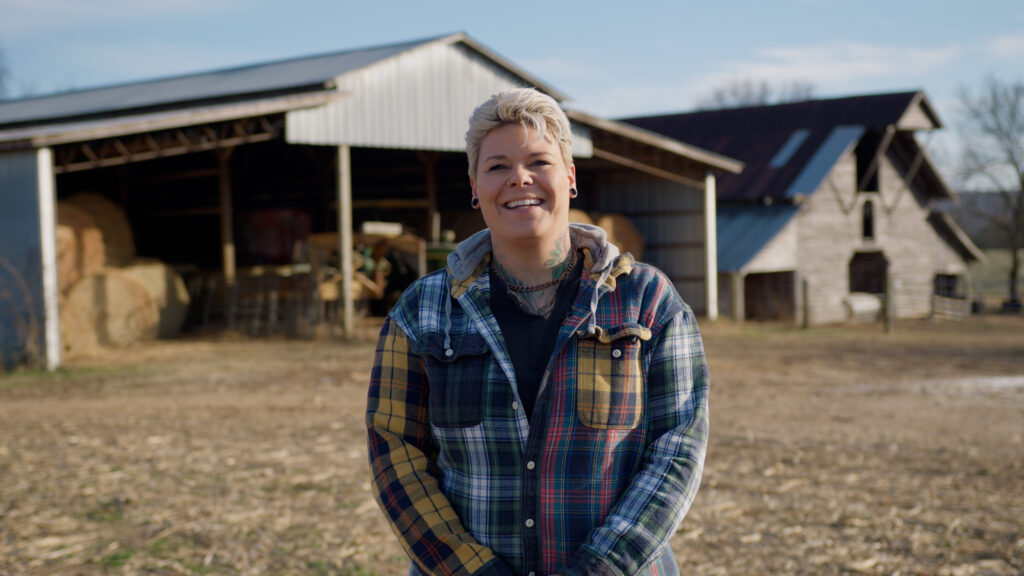
For the Mobleys, founders of 007 Boer Goats, international collaboration and impact happened quickly.
“I’ve come to find over the past five years that the goat business is universal and culturally rich,” Mobley says. “In America, we don’t consume a lot of goat meat, but in other countries it can be the primary source of meat. And that is actually a beautiful thing.”
“One of our goals with getting into this field was to bring in the best genetics from around the United States, breed those genetics, and then offer a product that had the best quality.” Mobley says. “So, we really do prioritize quality over quantity.”
That commitment to quality opened doors the Mobleys never expected. Today, many of the goats raised on their farm are sold before they are a year old, with buyers reaching out from countries around the world. What started as a family business has become part of a much larger story.
“The goats we sell to Jamaica become a staple in their program for production,” Mobley says. “They’re going to have babies. Those babies are going to have babies, and that’s a new genetic line they’re bringing to that island they didn’t have access to before.”

Nunn Cotton Co.
For Jim Nunn, founder of Nunn Cotton Co., global agriculture has always been about relationships. One of the first international connections he made as a student at the Memphis Cotton Exchange Cotton School in 1984 grew into a friendship and professional partnership that has lasted more than forty years. That relationship, among others, has helped shape Nunn’s understanding of an industry that connects people across countries, cultures, and continents.
Nunn emphasized the importance of connecting globally for those working in the cotton industry or students hoping to have careers within the field. “At the end of the day, cotton is more than a crop. It’s a global industry, deeply woven into the fabric of international trade, diplomacy, and human connection,” Nunn says. “And to thrive in it— whether you’re a broker, a grower, or a student—you need to see the world it’s grown in.”
Thompson Appalachian Hardwoods
For Claire Getty, chief financial officer of Thompson Appalachian Hardwoods, global agriculture looks a little different. Her family’s company connects Tennessee forest landowners with markets around the world. Their hardwood products are shipped throughout Australia, Europe, the Middle East, and Southeast Asia, eventually becoming furniture, molding, and other products used every day.
“We believe it is our responsibility to connect our Tennessee and northern Alabama forest landowners with the optimum market for all of their products,” Getty says. “One of the most rewarding parts of that work is seeing Tennessee products show up in places far from home.”
“My dad has always said that we are actually in the fashion business,” noted Getty. “When you travel and you see those things, you see the beautiful ways that people are using our product from Tennessee in their built environment.”

Tennessee Distilled Spirits Guild
As executive director of the Tennessee Distilled Spirits Guild, Charity Toombs has seen firsthand how Tennessee spirits create connections that stretch around the world. While bottles of Tennessee whiskey may travel internationally, many people make the trip to Tennessee to see where those products come from.
“I like to think of Tennessee spirits as being a global postcard,” Toombs says. “People have fallen in love with how the product is made, who’s making it, and the hands that touch it.”
For Toombs, that’s what makes Tennessee agriculture special. The products may be recognized around the world, but they remain deeply connected to the farmers, families and communities that make them possible.
Whether it’s a cotton field, a goat farm, a hardwood forest, or a distillery, each story starts in Tennessee, and through hard work, quality, and relationships, these stories continue far beyond the state border. For producers like Nunn, Mobley, Getty, and Toombs, global agriculture isn’t just about exports. It’s about people, partnerships, and the realization that something grown, raised, or made in Tennessee can have an impact around the world.
MORE FROM THIS ISSUE