Reflections on a Future of Growing Global
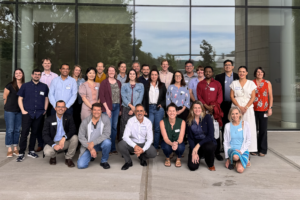
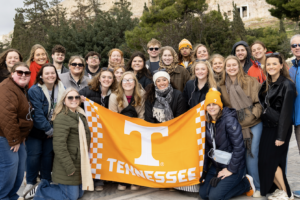
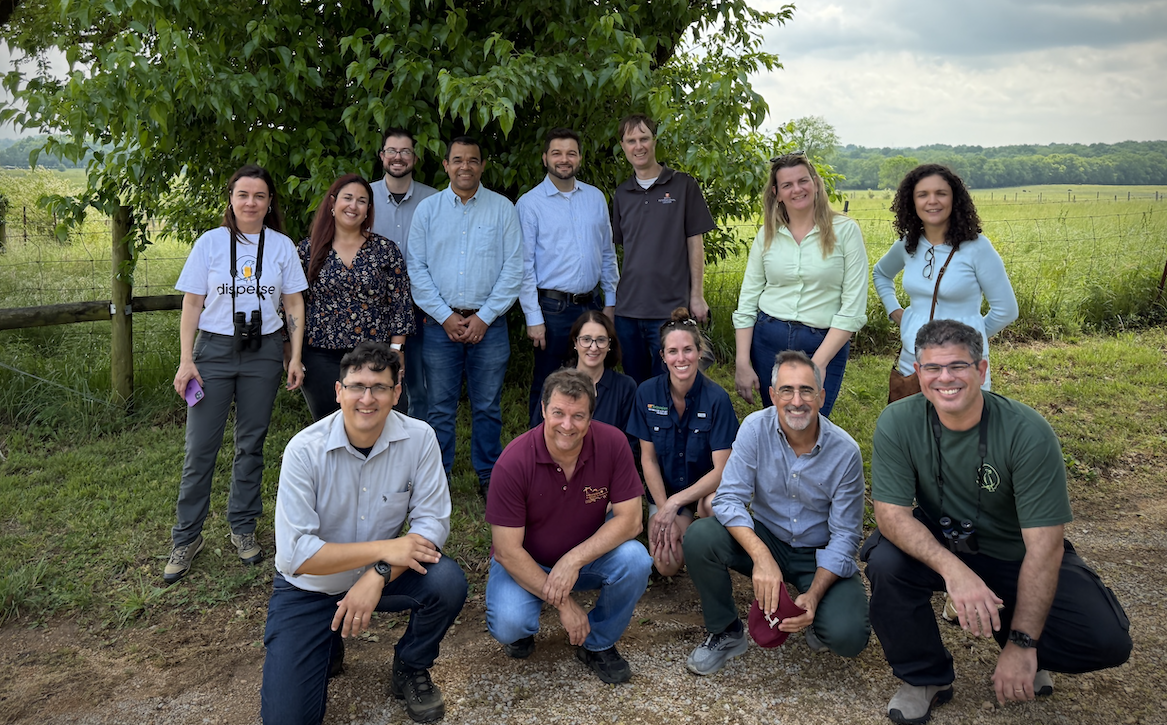
From 2022 to 2026, the Smith Global Leadership Fellows program created opportunities for faculty at UTIA to become champions for global engagement by developing international components to their work. The Smith Center designed and led this program to create a future where there is a culture of “growing global” at UTIA, starting with fostering leaders of global engagement amongst faculty across the Institute.
The Smith Center plans to build on the momentum of the Smith Global Leadership Fellows program. With the launch of the Smith Global Leadership Orientation to Build Engagement program in 2027, the center will work with faculty early in their careers to foster greater international impact from the outset of their employment at UTIA. Faculty across the institute are already doing important work that has global impact and implications. We look forward to walking alongside them to bring Real. Life. Solutions. from Tennessee to the world and back again.
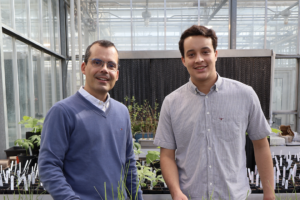
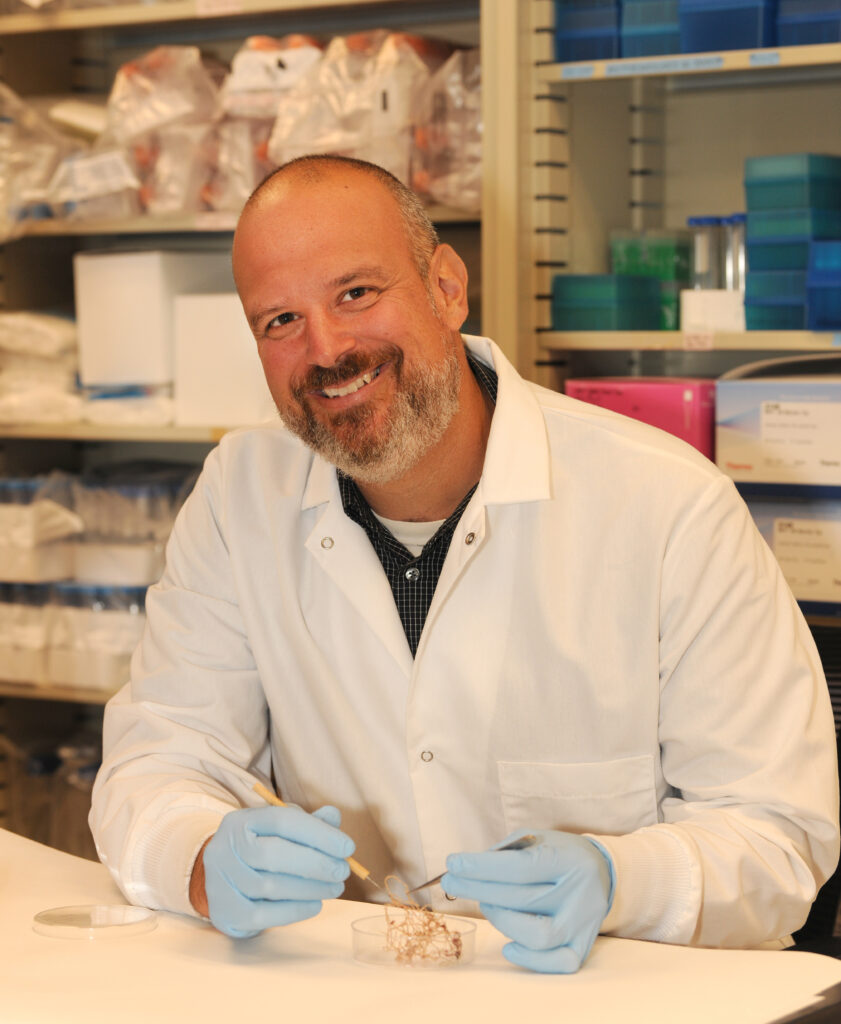
Rick Gerhold, professor of parasitology in the College of Veterinary Medicine, has developed a strong record of international engagement focused on animal health. His international work includes projects in Chile and Kenya, where he worked with partners such as the International Livestock Research Institute to exchange ideas, start collaborative projects, and present information on domestic and wild animal health. He also has collaborated with faculty in Brazil, Canada, Finland, Germany, the Philippines, and Sweden, building a broad global network connected to his work at UT.
How has the leadership program impacted you?
First off, the faculty and staff are so motivated, encouraging, and helpful that it made the process very smooth and seamless. From meetings to discussions, it has opened my eyes to the small but meaningful impacts that I can have internationally. It also allowed me to recognize that at UT we have so many resources that we may take for granted that are not available in some other countries. The ability to assist other health researchers in other countries has made me feel incredibly fulfilled. I especially enjoyed watching the graduate students and post docs in my lab interact with the faculty from Kenya and discuss their own experiences and desire for collaboration.
Why is it valuable for faculty to have access to global opportunities?
These opportunities are invaluable for knowledge-sharing and problem-solving to tackle global challenges. In addition, the ability to travel, interact, learn, and discuss what issues the various institutions and countries are facing is extremely rewarding. Global opportunities allow for lifelong connections that facilitate success and productivity for all parties involved.
What are your plans for further global engagement?
I am expanding my international collaborations with researchers from Sweden and Finland to develop uniform health assessment protocols for moose across North America and Europe. I have been able to interact with wonderful and talented biologists, veterinarians, and researchers from these countries, and the work is very meaningful to allow us to understand what major health factors are associated with moose decline. The collaborations and experiences have produced preliminary data to allow us to secure multi-institutional funding to produce these protocols. In addition, I am continuing to work with colleagues in Kenya and the Philippines to assist with teaching and research initiatives.
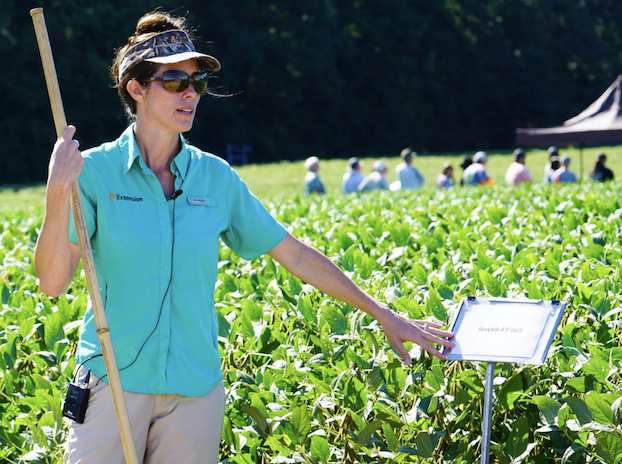
Heather Kelly, professor in the Department of Entomology and Plant Pathology, serves as the Tennessee state coordinator for integrated pest management (IPM). In this role, she works across multiple disciplines to support statewide IPM efforts, helping connect expertise and resources that strengthen pest management practices in diverse settings. Her international experience is broadening her perspective on how IPM-related challenges and solutions are approached in different contexts. She has used her time as a fellow to deepen her collaborations with Brazilian partner institutions.
How has the leadership program impacted you?
The fellows program has been a great experience at a point in my career when I was looking for new ways to stay challenged and excited. The Smith Center’s support and flexibility let me pursue multiple ideas without feeling boxed in, leading to stronger international collaborations and broader benefits for students, county Extension agents, and research partnerships. The program reignited my interest in global engagement, and with encouragement and guidance from Denita Hadziabdic Guerry (UT’s Fulbright Faculty Advisor), I identified the right Fulbright program for my expertise and availability. Through the program, I traveled in January 2026 to Brazil (UFLA and ESALQ/University of São Paulo), strengthening collaborations and preparing for my Fulbright.
Why is it valuable for faculty to have access to global opportunities?
Having global opportunities allows us to not only expand our own knowledge and experience but to also share our expertise and the excellence of UT with others around the world. Such experiences have impacts abroad and back home, fostering collaborative research and Extension efforts and training the next generation of agricultural scientists. International experiences help you recognize similarities and differences that reshape how you think. That perspective can help you address problems at home with deeper context and better solutions.
What are your plans for further global engagement?
We hope to formalize student exchanges, potentially through a “sandwich” degree program, for partners in Brazil and for our students. The goal is to build a foundation that can grow into more international opportunities for students, staff, and faculty. I’m excited about the momentum and ideas this collaboration is generating. I am excited to represent UT as a Distinguished Fulbright Scholar for the 2026-2027 Brazil program. My participation in the program prepared me to pursue that opportunity.
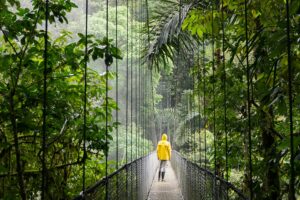
Ryan Sharp, associate professor in the School of Natural Resources, specializes in outdoor recreation and park management. He co-led two cohorts of the Herbert College of Agriculture First-Year Experience in Costa Rica study abroad program, expanding global opportunities for UT students early in their college experience. After graduating from the leadership program, he traveled to Scotland to deepen his knowledge about national park management in another country and grow study abroad options in natural resource management.
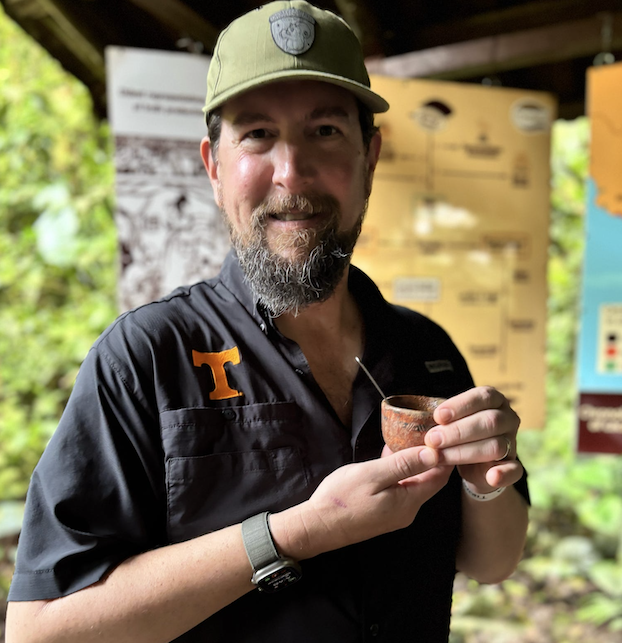
How has the leadership program impacted you?
It connected me to some great people within my leadership cohort, the great folks in the Smith Center, and what the opportunities are for me to work abroad.
Why is it valuable for faculty to have access to global opportunities?
I feel it helps ground the work you are doing. It is easy to get wrapped up in the day-to-day and year-to-year activities of your faculty role. Traveling abroad provides perspective, new ideas, and opportunities for new partnerships that will make me, or anyone, a better teacher, researcher, and overall better human being.
What are your plans for further global engagement?
As a result of the program, I am currently developing a study abroad course to the UK in May 2027 focusing on comparative evaluations of parks in England and Scotland. I traveled to the UK this summer (2026) to work on the final parts of the program.
MORE FROM THIS ISSUE